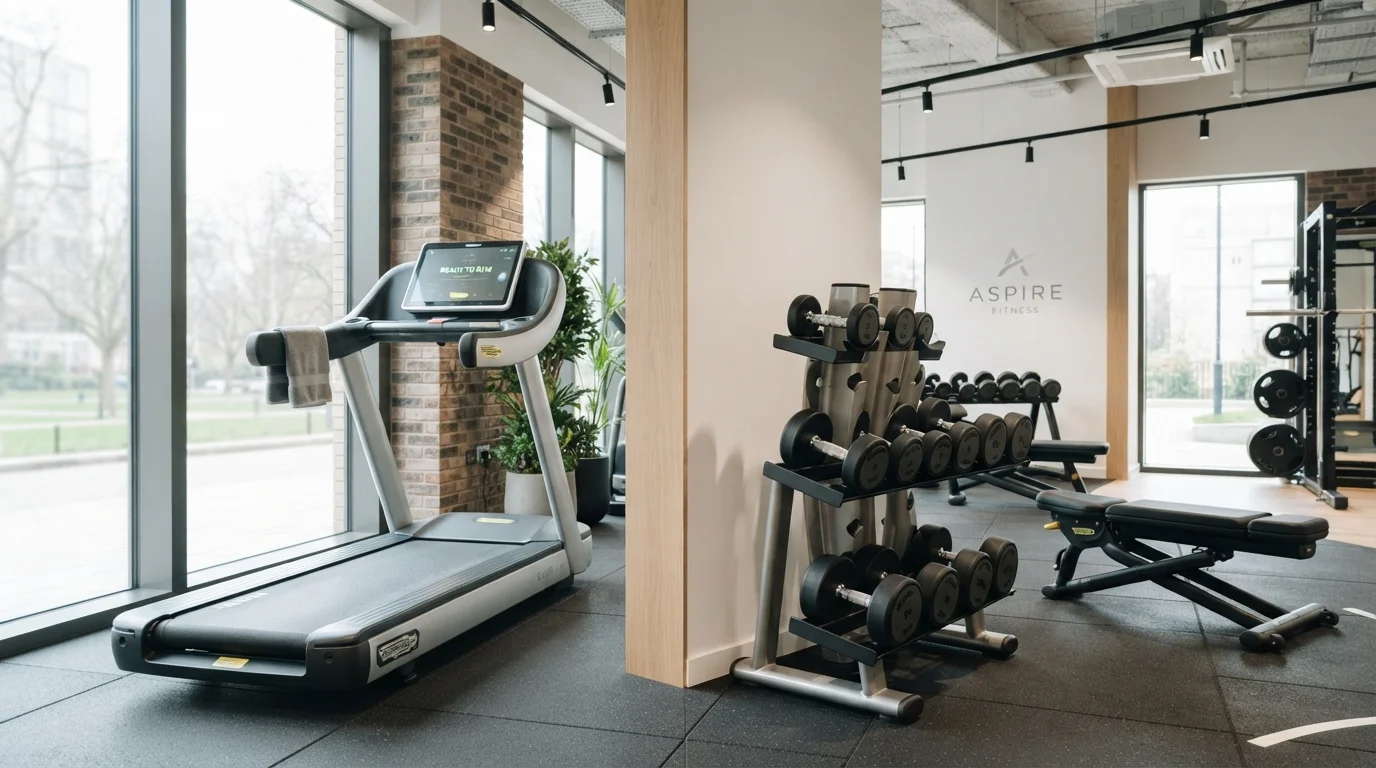
What Each Type of Exercise Actually Does
Cardiovascular training - often called cardio - refers to sustained, rhythmic movement that elevates your heart rate for an extended period. Think brisk walking, cycling, swimming, or jogging. Its primary effects happen in the heart, lungs, and vascular system: over time, aerobic exercise improves the heart's pumping efficiency, lowers resting heart rate, and helps regulate blood pressure and blood sugar levels.
Strength training, also called resistance training, involves working muscles against load - whether that's bodyweight, free weights, resistance bands, or machines. Its adaptations occur in muscle tissue and bone: muscles grow stronger and slightly larger, connective tissue becomes more resilient, and bone density can improve. There's also a metabolic benefit - greater muscle mass modestly increases how many calories your body burns at rest.
Both types trigger meaningful physiological changes, but they operate through different mechanisms and support different aspects of physical health. That's why they're not really competitors - they're complements. As our overview of stretching's real effects shows, each movement modality has a specific role in a well-rounded fitness picture.
| Criterion | Cardiovascular Training | Strength Training |
|---|---|---|
| Primary benefit | Heart and lung health, endurance | Muscle strength, bone density |
| Calorie burn during exercise | Generally higher per session | Generally lower per session |
| Resting metabolism impact | Modest long-term effect | Modest increase with muscle gain |
| Equipment required | Often minimal (walking, cycling) | Optional (bodyweight works too) |
| Recommended frequency | 150+ min/week moderate intensity | 2+ days per week |
| Aging-related benefit | Cardiovascular disease risk reduction | Counters muscle and bone loss |
| Accessibility for beginners | Very high - walking is a starting point | High - bodyweight exercises need no gear |
What the Guidelines Actually Say
The U.S. Department of Health and Human Services' Physical Activity Guidelines for Americans recommend that adults aim for at least 150 minutes of moderate-intensity aerobic activity per week - or 75 minutes of vigorous-intensity activity - along with muscle-strengthening activities on two or more days per week. These aren't arbitrary targets; they reflect a body of research linking those activity levels to meaningful reductions in chronic disease risk.
The guidelines don't ask you to choose between cardio and strength - they assume you'll do both. This framing reflects what exercise scientists have understood for decades: the two modalities address different physiological needs, and omitting either leaves a gap.
150 min
Recommended weekly moderate aerobic activity
Per the U.S. Department of Health and Human Services Physical Activity Guidelines for Americans, adults should aim for this minimum weekly aerobic activity.
2×/week
Minimum strength training days recommended
The same federal guidelines recommend muscle-strengthening activity on at least two days per week, targeting all major muscle groups.
~1% per year
Muscle mass lost annually after age 30 without resistance exercise
Research on sarcopenia - age-related muscle loss - suggests adults can lose a meaningful percentage of muscle mass per decade without strength training.
If you're short on time, shorter sessions can still deliver real benefits - the key variable isn't always duration but consistency and effort. Even three 10-minute walks distributed through the day count toward aerobic goals.
Common Misconceptions Worth Clearing Up
Cardio is the only way to manage weight. Not quite. While aerobic exercise burns calories during activity, strength training raises resting metabolic rate slightly over time. Both play a role, and neither alone is a reliable standalone weight-management strategy without attention to overall lifestyle habits.
Strength training is only for athletes or bodybuilders. This is one of the most persistent myths in fitness. Resistance exercise is valuable for nearly every adult, including older adults, who benefit significantly from maintaining muscle mass and reducing fall risk. Bodyweight exercises like squats and push-ups require no equipment at all.
More is always better. Overtraining is a real phenomenon. Rest and recovery are when your body actually adapts to the stress of exercise. Understanding how recovery fits into fitness is as important as the workouts themselves.
For people who find structured exercise unappealing, it's worth knowing that movement doesn't have to look like a traditional workout to count. Gardening, dancing, and active commuting all contribute to daily activity totals.
Building a Routine That Actually Works for You
The most effective exercise routine is one you'll actually stick to. That might sound obvious, but it's the factor that matters most over the long run. A moderate, consistent routine will outperform an ambitious plan abandoned after two weeks.
A practical starting point for most adults: two to three days of aerobic activity (even walking remains one of the most evidence-supported options) and two days of basic strength work targeting major muscle groups. Sessions don't need to be long - 20 to 30 minutes of focused movement is a reasonable foundation.
If you're deciding how to structure your time, consider your current health status, any physical limitations, and what you genuinely enjoy. Group classes versus solo exercise is another practical decision that shapes how sustainable a routine feels. And if you have existing health conditions, always consult a qualified healthcare professional before significantly changing your activity level.
This article is for general informational and educational purposes only and is not a substitute for professional medical advice, diagnosis, or treatment. Always consult a qualified healthcare provider before starting or changing an exercise program, particularly if you have existing health conditions.