Why Sleep Hygiene Matters - and What the Research Actually Shows
Sleep hygiene refers to the set of behavioral and environmental practices that support consistent, restorative sleep. While the term can sound clinical, the underlying habits are practical and accessible. Research in sleep science has accumulated enough evidence over decades to identify which behaviors reliably make a difference - and which are overhyped.
Poor sleep is linked to impaired concentration, mood disruption, weakened immune response, and longer-term health risks when it becomes chronic. The good news is that the habits with the strongest research support are free, require no equipment, and can be started tonight. Just as sustainable nutrition habits work through consistency rather than perfection, sleep improvements tend to come gradually as small nightly behaviors compound over time.
This article is for general informational purposes only and is not medical advice. If you are experiencing persistent sleep difficulties, please consult a qualified healthcare professional.
Evidence-Backed Sleep Habits Worth Building
The following practices appear repeatedly in peer-reviewed sleep research as reliably beneficial for most healthy adults. They form the core of what clinicians call good sleep hygiene.
Keep a consistent sleep and wake time - including on weekends
Your body's circadian rhythm (internal 24-hour clock) is highly sensitive to regularity. Irregular schedules - often called 'social jet lag' - disrupt this rhythm and reduce sleep quality even when total sleep time stays the same. Consistency anchors your sleep drive and makes falling asleep easier over time.
Get natural light exposure in the morning
Morning light is the primary signal that resets your circadian clock each day. Research shows that exposure to bright natural light within an hour or two of waking helps anchor the timing of alertness and sleepiness throughout the day, making it easier to fall asleep at an appropriate hour.
Reduce screen and bright light exposure in the 60-90 minutes before bed
Short-wavelength (blue) light from screens and overhead lighting suppresses melatonin production, which can delay sleep onset. Dimming lights and shifting to lower-stimulation activities in the lead-up to sleep allows this natural hormonal process to proceed without interference.
Avoid caffeine in the afternoon and evening
Caffeine blocks adenosine receptors - adenosine is the compound that builds 'sleep pressure' throughout the day. Its half-life means caffeine consumed in the afternoon may still be significantly active at bedtime, reducing both sleep onset speed and deep sleep quality, even if you feel you can fall asleep normally.
Use your bed primarily for sleep
Behavioral research supports the concept of stimulus control: when the bed is consistently associated with sleep (rather than scrolling, working, or watching TV), the brain begins to treat getting into bed as a cue for sleepiness. Breaking this association is one of the core techniques used in cognitive behavioral therapy for insomnia.
Build a brief wind-down routine before bed
The transition from wakefulness to sleep benefits from a buffer period. Low-stimulation, calming activities in the 20-30 minutes before bed help lower physiological arousal, making it easier for sleep to begin naturally. This is related to the same evidence that supports expressive writing for emotional health - structured pre-sleep routines reduce cognitive activation.
Quick Changes You Can Make Tonight
You don't need to overhaul your entire routine at once. Sleep researchers consistently find that small, targeted changes - applied consistently - produce measurable improvements. Much like the fitness habits that actually stick, sleep habits work best when they're simple enough to repeat without friction.
“Sleep is the single most effective thing we can do to reset our brain and body health each day. The scientific evidence is overwhelmingly clear on this.”
— Matthew Walker, Professor of Neuroscience and Psychology, University of California, Berkeley; author of 'Why We Sleep'
Understanding Your Sleep Environment
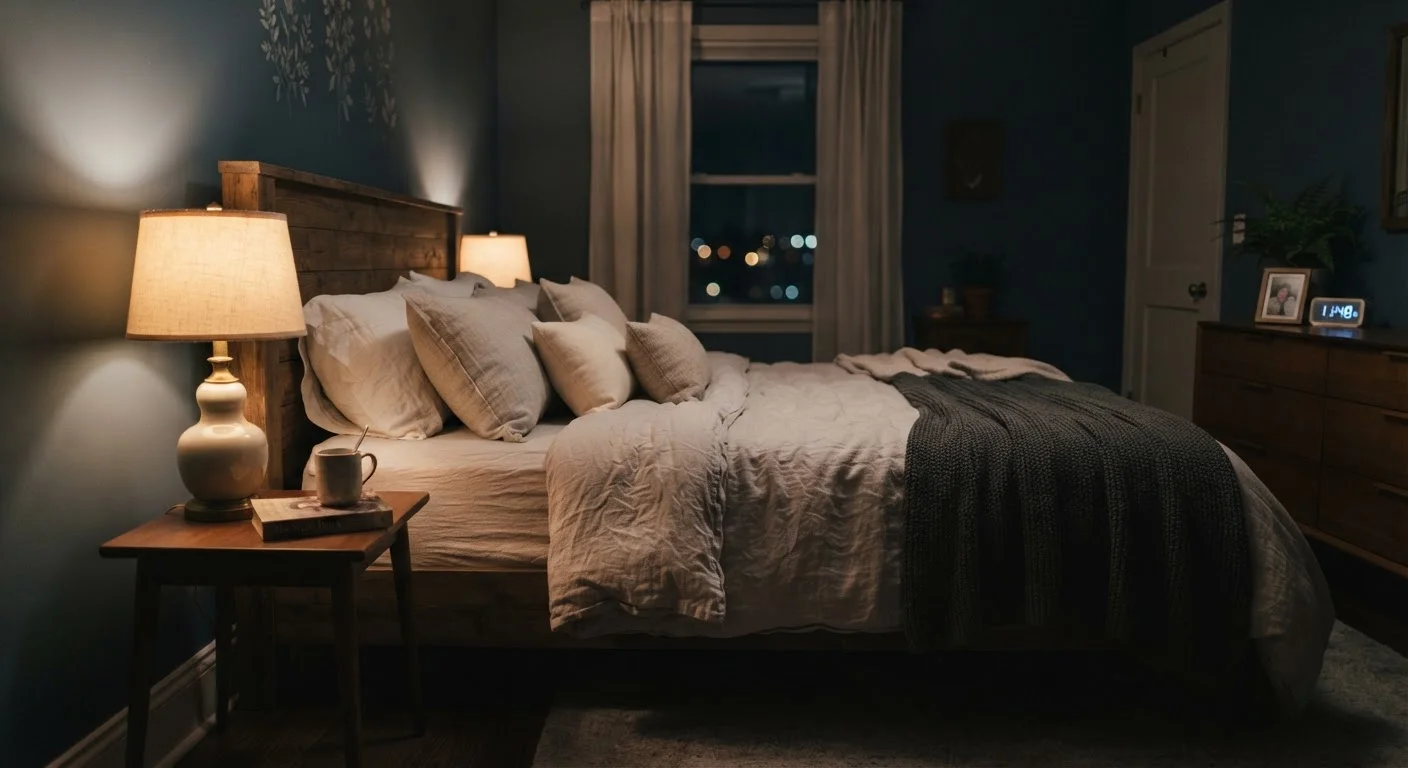
Your bedroom environment communicates signals to your brain about whether it's time to sleep or stay alert. Research consistently points to three environmental factors with the greatest impact: temperature, light, and noise.
A cooler room - generally described in sleep literature as slightly below typical daytime comfort - supports the natural drop in core body temperature that accompanies sleep onset. Blackout curtains or an eye mask can reduce light intrusion that would otherwise suppress melatonin, the hormone involved in sleep regulation. And while some people sleep through noise easily, others are highly sensitive; consistent low-level background sound (like a fan) can mask disruptive irregular noise for those affected.
When Sleep Problems Go Beyond Hygiene
Sleep hygiene works well as a foundation for healthy adults experiencing mild, situational sleep difficulties. However, persistent insomnia, excessive daytime sleepiness, loud snoring, or waking frequently at night may indicate an underlying condition - such as sleep apnea - that hygiene habits alone cannot address. If sleep problems persist despite consistent effort, consulting a healthcare provider or sleep specialist is the appropriate next step. Do not delay care in favor of self-help strategies when symptoms are significant.
The same principle behind habits that quietly compound over time applies here: no single change is transformative, but consistent environmental signals reinforce your brain's sleep associations night after night.