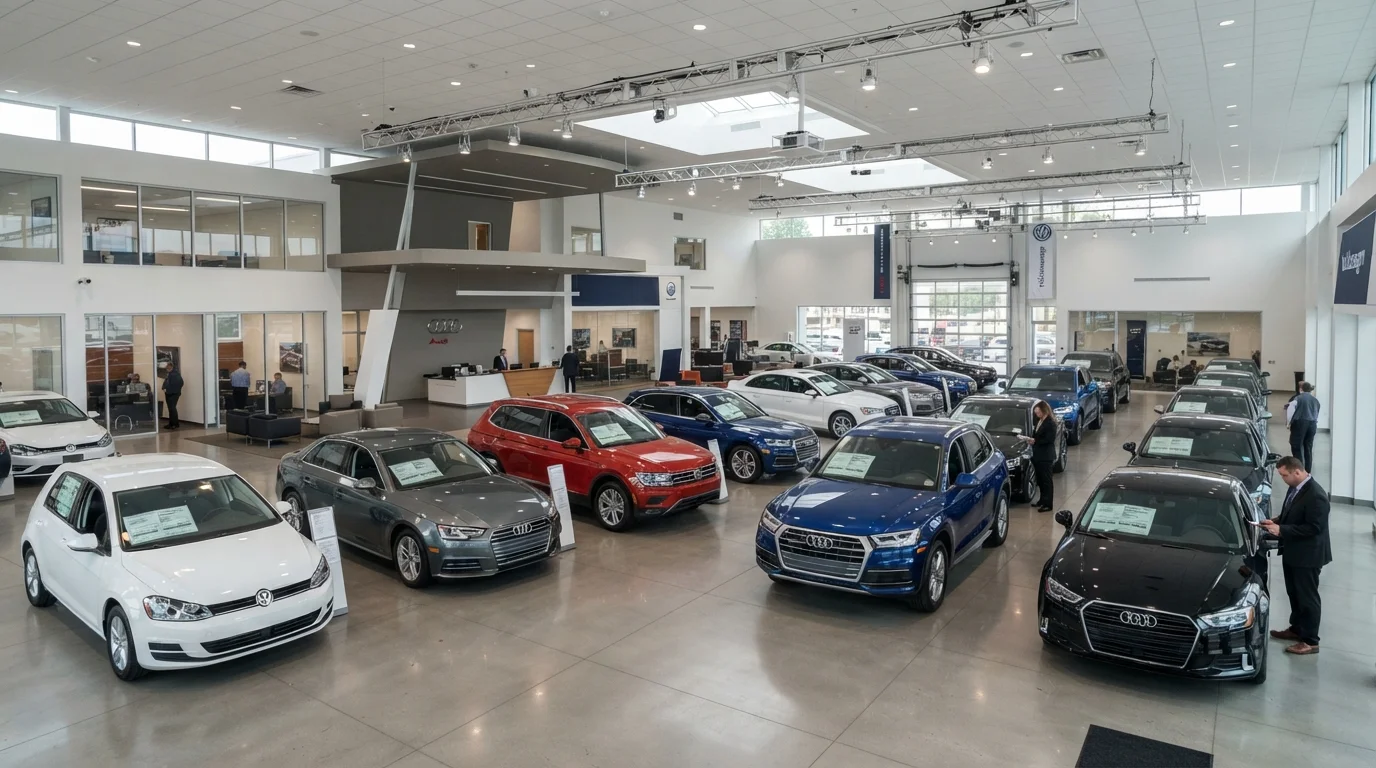
What Drives Dealerships to Add Markups
Dealers are independent businesses operating under franchise agreements with manufacturers. That distinction matters: the manufacturer sets the MSRP, but the dealer sets the final selling price. When demand for a particular model outpaces available supply — a new model launch, a production constraint, or a fuel-economy-driven surge — dealers respond by raising the price to what the market will bear.
The logic is straightforward supply and demand. A vehicle that sells within days of arriving on the lot commands a different price than one sitting for two months. Dealers track this through internal data and regional market pricing tools, and they adjust accordingly. This is not unique to automotive retail; concert tickets and airline seats follow the same economics.
It is worth distinguishing markup types. A true market adjustment is a single-line price increase above MSRP reflecting genuine scarcity. A murkier version bundles installed add-ons — paint sealant, nitrogen-filled tires, GPS tracking devices — into a combined figure labeled as a market adjustment. The latter inflates the number while delivering products the buyer may not want. Understanding this distinction is the first practical step for any shopper. See our guide to reading a dealer's out-the-door quote for a breakdown of which line items deserve scrutiny.
82%
Dealers charging above MSRP at peak supply disruption
According to Edmunds market data compiled during the 2021–2022 inventory shortage, the share of new vehicles selling above sticker reached historic highs across most segments.
$1,000–$10,000+
Typical ADM range on high-demand new vehicles
Industry analysts at Cox Automotive noted that market adjustments on constrained models varied widely by segment and region during periods of tight supply.
30+ days
Lot age at which dealer negotiating pressure increases
Automotive retail analysts generally identify vehicles past the 30-day inventory mark as carrying meaningful floorplan costs that shift negotiating dynamics.
When Markups Are Most Likely to Appear
Market adjustments cluster around predictable conditions. New model launches — particularly redesigned vehicles or those entering a newly popular segment — consistently attract above-MSRP pricing in their first model year. Vehicles with constrained production volumes (limited trims, specialty powertrain options, or models with long-standing waitlists) also carry persistent markups regardless of broader market conditions.
External supply shocks, such as parts shortages affecting production output, can push markups onto mainstream models that would otherwise sit at or below MSRP. Buyers shopping during these periods face a different negotiating environment than those who enter the market during stable inventory cycles.
Regional variation also matters. A pickup truck or SUV in high demand in one metro area may carry a substantial markup while the same vehicle sits at MSRP or below in a different region. Widening a search radius — sometimes significantly — can expose pricing disparities worth acting on, even after factoring in transportation costs. The new vs. used comparison is also worth revisiting during high-markup periods, since used alternatives sometimes offer comparable value without the premium.
What Leverage Buyers Actually Have
Leverage is real but context-dependent. On a vehicle that arrived at the dealership last week and already has competing offers, a buyer's negotiating position is weak. On a vehicle that has been on the lot for 30-plus days, the dynamic shifts. Most dealers use aging inventory reports internally, and a unit sitting without a sale represents carrying costs — floorplan interest charges — that accumulate daily.
Practical moves that can reduce exposure to markups include:
- Expanding the search geographically. Dealers in lower-demand markets may price the same vehicle at or near MSRP.
- Timing the purchase. Sales cycles do create mild incentives near period-end. Our analysis of end-of-month and end-of-quarter timing explains where this tactic has real effect and where it does not.
- Coming in with pre-arranged financing. Separating the purchase price negotiation from the financing conversation removes one variable. Dealership financing vs. outside lenders covers how this affects your overall position.
- Considering alternatives. A competing model with comparable specs but less hype often prices closer to MSRP. Dealers also have hidden profit layers beyond the sticker — understanding holdback and dealer reserve gives you a fuller picture of where margin actually lives in a deal.
Get the Full Itemized Breakdown in Writing
Before discussing any number, ask the dealer for a complete written breakdown of every charge above MSRP. A legitimate market adjustment should appear as a single line with a clear dollar amount. If the figure includes installed accessories or protection packages, each should be itemized separately — that separation is the starting point for negotiating those charges down or out of the deal entirely.
No single tactic eliminates the markup in a tight-supply environment. The most reliable protection is willingness to walk away — either to a different dealer, a different vehicle, or a later purchase date when conditions may have shifted.
This article is for general informational purposes only and does not constitute financial or legal advice. Consult a qualified professional for guidance specific to your situation.