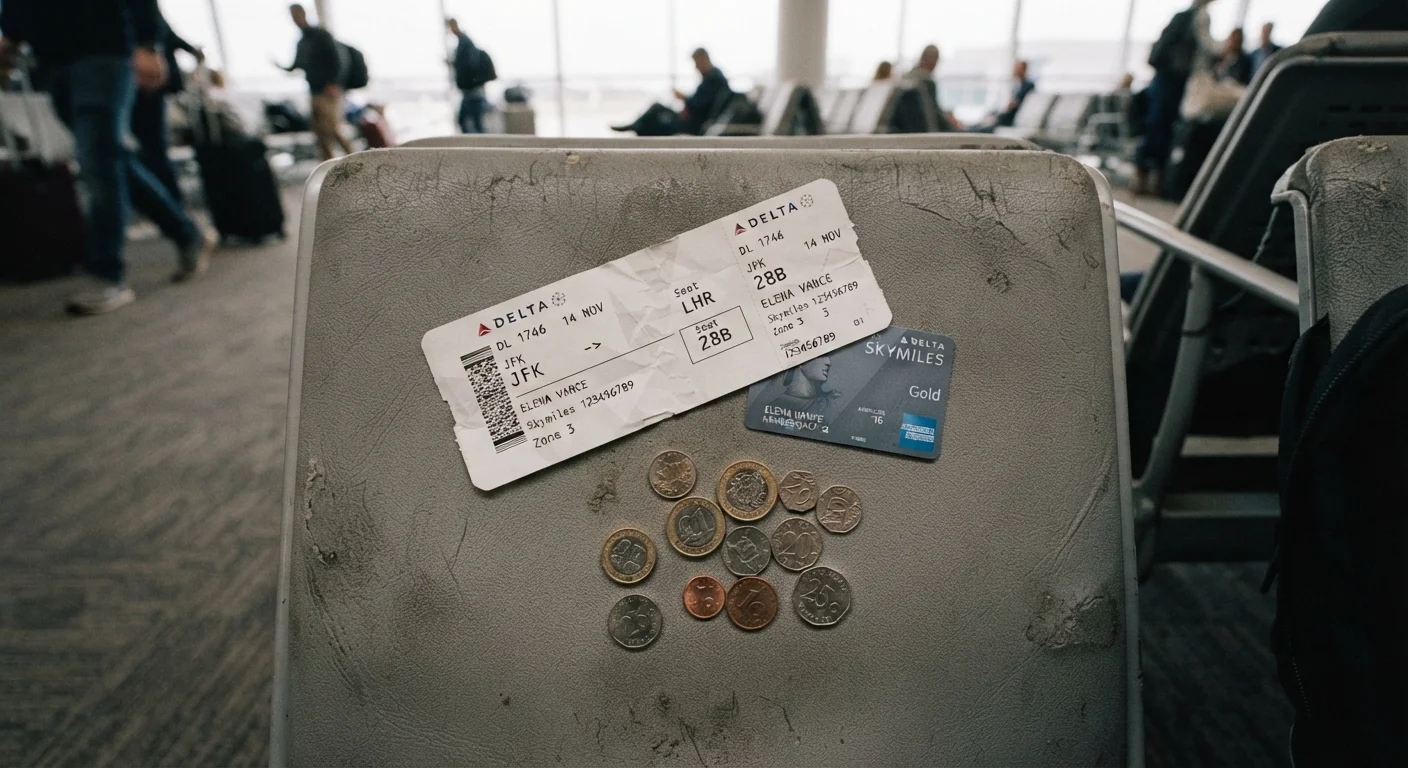
Why 'Free' Rarely Means Zero Cost
Award travel is a legitimate tool for stretching a travel budget — but the word 'free' in loyalty program marketing describes only the fare component, not the full out-of-pocket cost. Government taxes and airport fees are nearly always passed through to the traveler, and many programs also pass through carrier-imposed surcharges (sometimes labeled YQ or YR on your itinerary). These surcharges are set by the operating airline, not the government, and they can dwarf the underlying taxes on premium cabin redemptions.
Understanding what you're actually paying before you confirm a redemption is the foundation of smart award travel. The pre-redemption checklist covers the key verification steps in detail. This article focuses on the specific mistakes that lead travelers to overestimate what they're saving.
Calculate Total Cash Outlay Before Booking
Before confirming any award redemption, add up every fee: taxes, fuel surcharges, carrier-imposed fees, and any ancillary charges. Compare that total against a paid fare for the same route. If the gap is narrow, a revenue ticket may offer more flexibility and better cancellation terms.
Common Mistakes That Inflate Your Award's True Cost
The errors below account for a large share of the disappointment travelers report after redeeming points. Each one is avoidable with a small amount of upfront research.
Assuming the points price is the total price.
Why it happens: Program marketing emphasizes the points cost and frames the trip as 'free,' so many travelers skip reviewing the cash fees line item until the payment screen.
Ignoring carrier-imposed fuel surcharges on partner bookings.
Why it happens: Loyalty programs are not required to disclose partner surcharges prominently, and travelers often conflate government-mandated taxes — which are typically modest — with the much larger carrier-imposed fees.
Paying a close-in or phone-agent booking fee without exploring alternatives.
Why it happens: Many travelers discover award availability late or encounter award space only through phone agents, accepting the fee without knowing it can sometimes be avoided.
Valuing points at face value rather than actual redemption value.
Why it happens: Programs promote aspirational redemption rates in marketing, and travelers anchor to those figures rather than calculating what a specific itinerary actually yields per point.
Overlooking seat selection and baggage fees on award tickets.
Why it happens: Award tickets follow the same fare rules as the booking class they occupy, and basic economy-adjacent award fares often exclude seat assignment and checked bags — details travelers discover only at check-in.
Partner Airline Surcharges Can Be Steep
When you book award space on a partner carrier rather than the program's own operating airline, the issuing program often passes through the partner's carrier-imposed surcharges in full. On transatlantic business-class itineraries, these surcharges have been documented at several hundred dollars per person. Always check the full fee breakdown — not just the points price — before transferring points or confirming the booking.
It's also worth noting that ancillary costs — seat assignments, checked bags, lounge day passes — can add meaningfully to the bill even after fees are settled. Some premium cabin awards include these perks; many domestic and basic economy-class awards do not. Reading the fare conditions, not just the points price, is the only way to know for certain.
For a broader look at how loyalty program assumptions cost travelers money, see travel planning myths that cost people money.
Putting It Into Practice
The practical test for any award redemption is simple: calculate the total cash outlay (all fees and surcharges) and compare it to the cheapest available paid fare for the same dates and cabin. Then calculate your cents-per-point value and weigh it against how you might otherwise use or earn those points.
~$200–$600
Typical carrier surcharge range on transatlantic business-class awards
Independent analyses of loyalty program fee disclosures consistently document carrier-imposed surcharges in this range on popular transatlantic routes when booked through programs that pass them through.
1.0–2.5¢
Common cents-per-point range across major airline programs
Valuations published by travel research outlets show most airline miles fall in this range, with significant variation based on route, class, and partner availability.
If the math still favors the award — and it often will on long-haul premium redemptions booked through the right program — proceed with confidence. If the fees narrow the gap significantly, a revenue ticket or a different program routing may serve you better. The Travel Planning Tips hub has additional strategies for making these comparisons systematically.
Award travel isn't a trap — but it rewards the traveler who reads the fine print. A few minutes of fee research before you transfer points or confirm a booking is the single most effective habit you can build.
This article is for general informational purposes only. Loyalty program terms, fee structures, and partner agreements change frequently. Always verify current program policies directly with the issuing loyalty program before making a redemption decision.