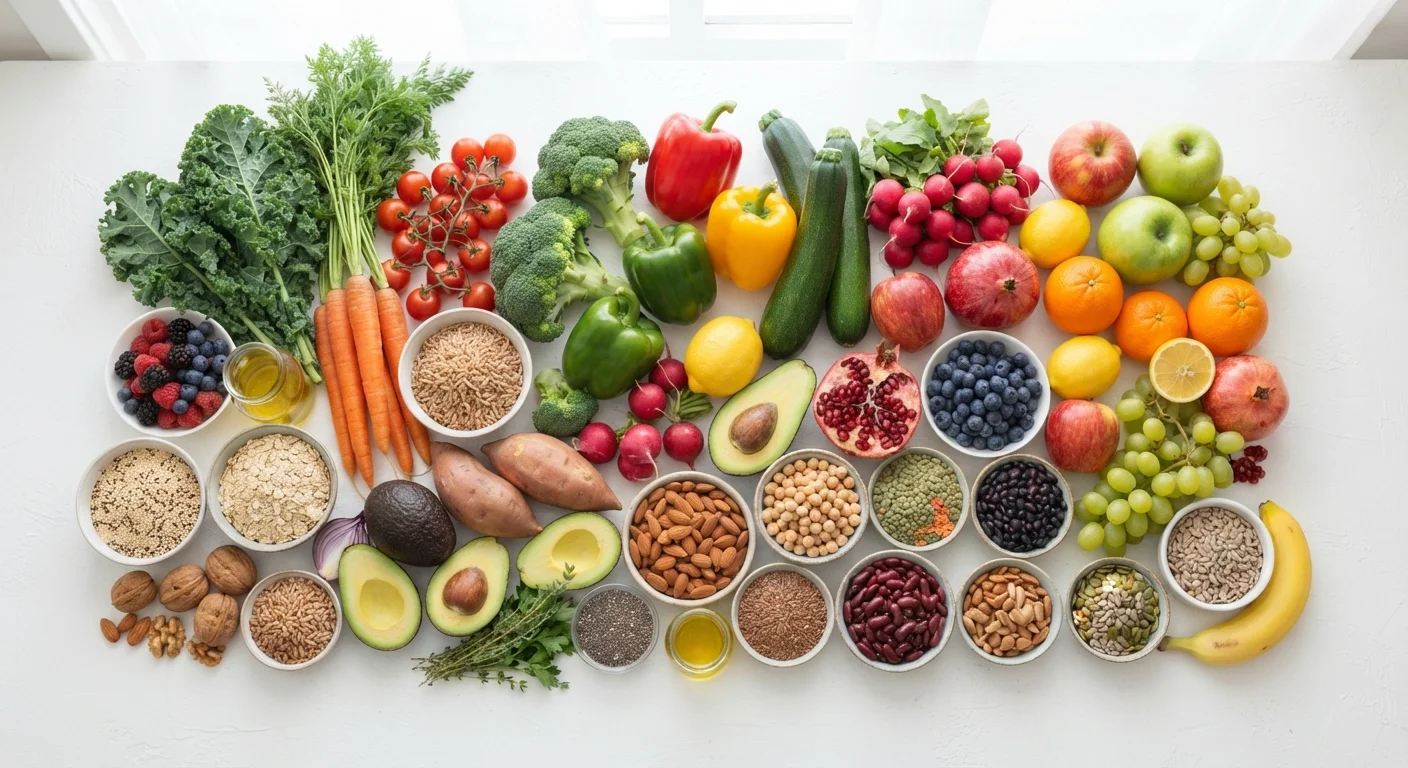
What Nutrition Science Actually Studies
Nutrition science is the study of how the body breaks down, absorbs, and uses the components found in food. It draws on biology, chemistry, and public health research to understand how eating patterns relate to how we feel, function, and stay well over time.
Crucially, nutrition science is not a fixed rulebook. Research evolves, study methods improve, and what was considered settled sometimes gets revised. That's not a flaw - it's how science works. Understanding this helps you approach nutrition information with appropriate curiosity rather than frustration.
Macronutrient
A nutrient the body needs in relatively large amounts: carbohydrates, protein, and fat. All three provide energy and serve essential functions.
Micronutrient
Vitamins and minerals required in small amounts. They don't provide energy directly but are essential for normal body processes.
Calorie
A unit used to measure the energy content of food. The body uses this energy to power everything from breathing to exercise.
Dietary fiber
A type of carbohydrate that the body cannot fully digest. It supports gut health, helps regulate blood sugar, and promotes feelings of fullness.
Essential amino acids
Nine amino acids the body cannot produce on its own and must obtain through food. They are the building blocks of protein.
Energy balance
The relationship between calories consumed through food and calories used by the body. It's a useful general concept, though individual metabolism is more complex.
This article provides general nutrition education only and is not a substitute for advice from a qualified healthcare professional or registered dietitian.
The Three Macronutrients and Why They Matter
Carbohydrates are the body's primary fuel source. They break down into glucose, which powers the brain, muscles, and organs. Found in grains, legumes, fruits, and vegetables, carbohydrates also deliver fiber - a form the body can't fully digest but which supports digestive health and helps you feel full.
Proteins are made up of amino acids and serve as the building blocks for muscle, enzymes, hormones, and immune cells. The body can make some amino acids on its own, but nine are considered essential - meaning they must come from food. Complete protein sources (such as eggs, meat, dairy, and soy) contain all nine; many plant sources can be combined to cover them.
Fats often get a bad reputation, but dietary fat is essential. It supports cell structure, helps absorb fat-soluble vitamins (A, D, E, and K), and plays a role in hormone production. The type of fat matters: unsaturated fats from foods like olive oil, avocado, and fish are generally considered more beneficial than highly processed trans fats.
Getting Protein from Plant Sources
If you eat primarily plant-based foods, you can meet all your essential amino acid needs by eating a variety of protein sources throughout the day - such as beans, lentils, tofu, whole grains, and nuts. You don't need to combine specific foods at every meal; variety across the day is what matters.
Micronutrients: The Smaller Players with Big Roles
Vitamins and minerals are needed in much smaller quantities than macronutrients, but they're no less important. They act as cofactors in hundreds of chemical reactions - helping convert food into energy, supporting bone density, enabling nerve signaling, and much more.
Key vitamins include vitamin C (found in citrus and bell peppers), the B vitamins (widespread in whole grains, meat, and leafy greens), and vitamin D (primarily produced through sun exposure, with limited food sources). Essential minerals include calcium, iron, magnesium, and zinc, each with distinct functions in the body.
Variety in your diet is the most reliable way to cover your micronutrient needs. If you have concerns about specific deficiencies, a healthcare provider can assess this through a blood test and offer appropriate guidance.
Energy Balance: A Useful Framework, Not a Rule
Energy balance refers to the relationship between the calories (energy) consumed through food and the calories the body uses through daily activity and internal processes. When intake and expenditure are roughly matched, body weight tends to remain stable over time.
This framework is helpful for understanding body weight at a broad level, but it simplifies a more complex reality. Hormones, sleep, stress, gut health, genetics, and the composition of your diet all influence how the body processes and stores energy. Two people eating the same foods can have meaningfully different responses.
Calorie Counts Are Estimates
The calorie values listed on food labels and in databases are averages based on standard formulas, not precise measurements. How many calories your body actually absorbs from a food can vary depending on cooking method, gut microbiome composition, and individual digestive differences. Use calorie information as a general guide rather than an exact figure.
Rather than focusing narrowly on calories, many nutrition researchers suggest emphasizing food quality, meal timing habits, and overall dietary patterns as more sustainable guides to eating well.
Food Patterns Matter More Than Single Foods
One of the most consistent findings in nutrition research is that overall eating patterns - not individual superfoods or occasional indulgences - are the strongest predictor of diet-related health outcomes. No single food can make or break a healthy diet.
Eating patterns that tend to feature prominently in research on long-term wellbeing share common traits: they emphasize vegetables, fruits, legumes, whole grains, and minimally processed foods while limiting heavily processed items with added sugars and sodium.
Consistent, realistic habits matter more than perfection. Our guide on building consistent, balanced eating habits explores practical strategies for maintaining these patterns in real life. Nutrition also works alongside physical activity - see our fitness and movement resources for a complementary perspective.
Where to Go From Here
With the fundamentals in place, you can start applying this knowledge more specifically. A natural next step is learning to read food labels - those small panels on packaged foods contain a lot of information, and knowing what to prioritize makes them far less overwhelming. Our article on reading a nutrition label without getting lost in the numbers walks through exactly that.
You may also find it useful to examine some of the popular nutrition claims circulating online. Many sound plausible but don't hold up under scrutiny - our piece on persistent nutrition myths that research has challenged addresses several of the most common ones.
Finally, if you want to evaluate your own current habits, a nutrition check-in with questions about your everyday eating offers a reflective, non-prescriptive way to do that. For personal dietary guidance, always consult a registered dietitian or your healthcare provider.