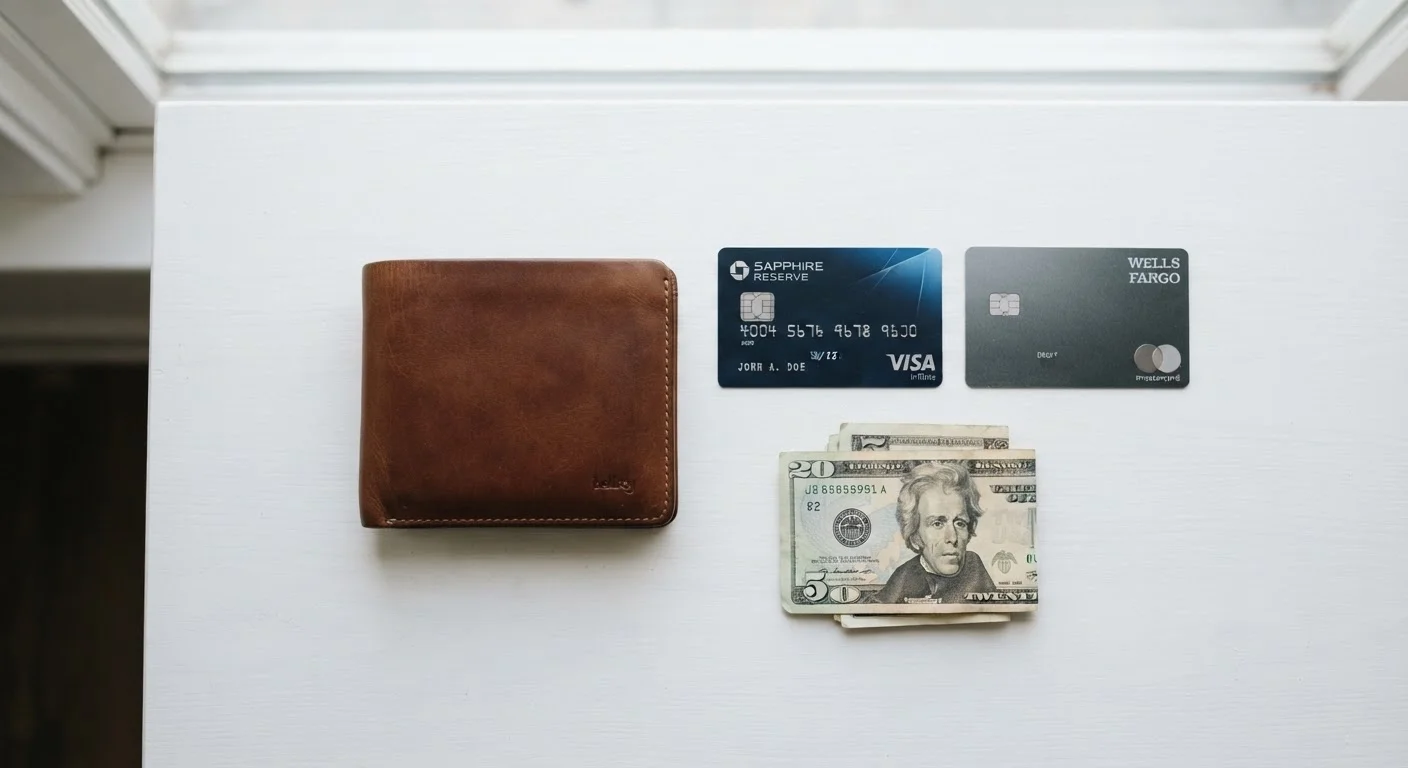
Why Your Payment Method Is a Financial Decision
Most Americans choose how to pay based on habit rather than strategy. That default approach leaves real value on the table - and in some cases creates genuine financial risk. Each payment method carries a distinct set of consumer protections, spending psychology implications, and practical trade-offs. Understanding them helps you make each transaction work harder.
This isn't about picking a single favorite. It's about matching the right tool to the right situation. If you're also thinking through how to build a monthly budget that actually holds, payment method discipline is a natural companion habit.
How Cash, Debit, and Credit Actually Differ
The mechanics matter before the strategy does.
- Cash is immediate and final. Once spent, it's gone - no chargeback, no statement, no digital trail. That finality is both its weakness and its behavioral strength.
- Debit cards draw directly from your checking account in real time. They feel like cash but leave a digital trail. Fraud recovery exists but is slower and has stricter dispute windows than credit under federal law (Regulation E vs. Regulation Z).
- Credit cards create a short-term loan. You receive a bill later, and if paid in full, pay no interest. They carry the strongest consumer protections under federal law - including zero-liability fraud policies offered by most major networks and robust chargeback rights.
| Cash | Debit Card | Credit Card | |
|---|---|---|---|
| Fraud protection | None after spending | Limited; slower recovery (Reg E) | Strongest; zero-liability standard (Reg Z) |
| Spending control | High - hard limit | Moderate - tied to balance | Low - delayed feedback |
| Rewards potential | None | Minimal (some accounts) | Meaningful if paid in full |
| Chargeback rights | None | Limited dispute window | Robust dispute process |
| Impact on bank balance | Immediate | Immediate | Deferred to billing cycle |
| Best transaction type | Discretionary budgets | Everyday tracked spending | Online, travel, large purchases |
One often-overlooked distinction: debit card fraud can temporarily drain your actual bank balance while a dispute is resolved, which can cascade into overdraft fees or missed payments. Credit card fraud, by contrast, affects a pending balance - not money you already have.
Which Situations Favor Each Method
Use credit for: Online purchases, travel bookings, large appliances, and any transaction where a dispute or return might be complicated. The ability to initiate a chargeback is meaningful leverage. If you travel, a credit card also typically offers better foreign transaction terms and automatic trip protections depending on the card. For a deeper look at how reward structures differ, see how cashback and points-based cards compare.
Use debit or cash for: Groceries, coffee shops, gas, and other routine discretionary spending - especially if your budget is tight. Research in behavioral economics consistently finds that paying with physical cash or a method that directly reduces a visible balance tends to increase spending awareness. Credit cards can blur that feedback loop.
Use cash specifically for: Categories where you've historically overspent. Allocating a set amount of physical cash to entertainment or dining out is one of the simplest and most durable spending-control techniques.
The Simple Rule for Mixed Use
A practical framework: use credit for anything over $50 or purchased online, and cash or debit for everyday discretionary items. This captures the protection benefits of credit where they matter most while preserving spending discipline in categories prone to drift. Revisit the split periodically using your actual spending data rather than assumptions.
If you're simultaneously trying to pay down debt while building savings, defaulting to debit or cash removes the temptation to lean on credit as a gap-filler.
The Credit Card Caveat: Rewards Only Pay If You Don't Carry a Balance
Credit card rewards - whether cash back or points - are financially meaningful only when the balance is paid in full each month. The average credit card interest rate in the U.S. has consistently exceeded 20% APR in recent years, according to Federal Reserve data. A 2% cash-back rate against a 20%+ interest rate results in a significant net negative. There is no rewards program that offsets revolving interest at those levels.
This is the central credit card trap: the product is genuinely useful for people who treat it as a payment tool, and genuinely costly for those who treat it as a lending tool. Be honest about which category you're in. Setting up automated full payments each month removes that risk if your cash flow supports it.
This article is for general informational and educational purposes only and does not constitute personalized financial or legal advice. Consult a qualified financial professional for guidance specific to your situation.