

Personal Finance Editorial Team
Staff Writer
Personal Finance Editorial Team is the collective byline for our editorial team and contributor network. Articles published under this byline or an editorial pen name are researched, written, and reviewed according to our editorial standards for clarity, consistency, and independence before publication.
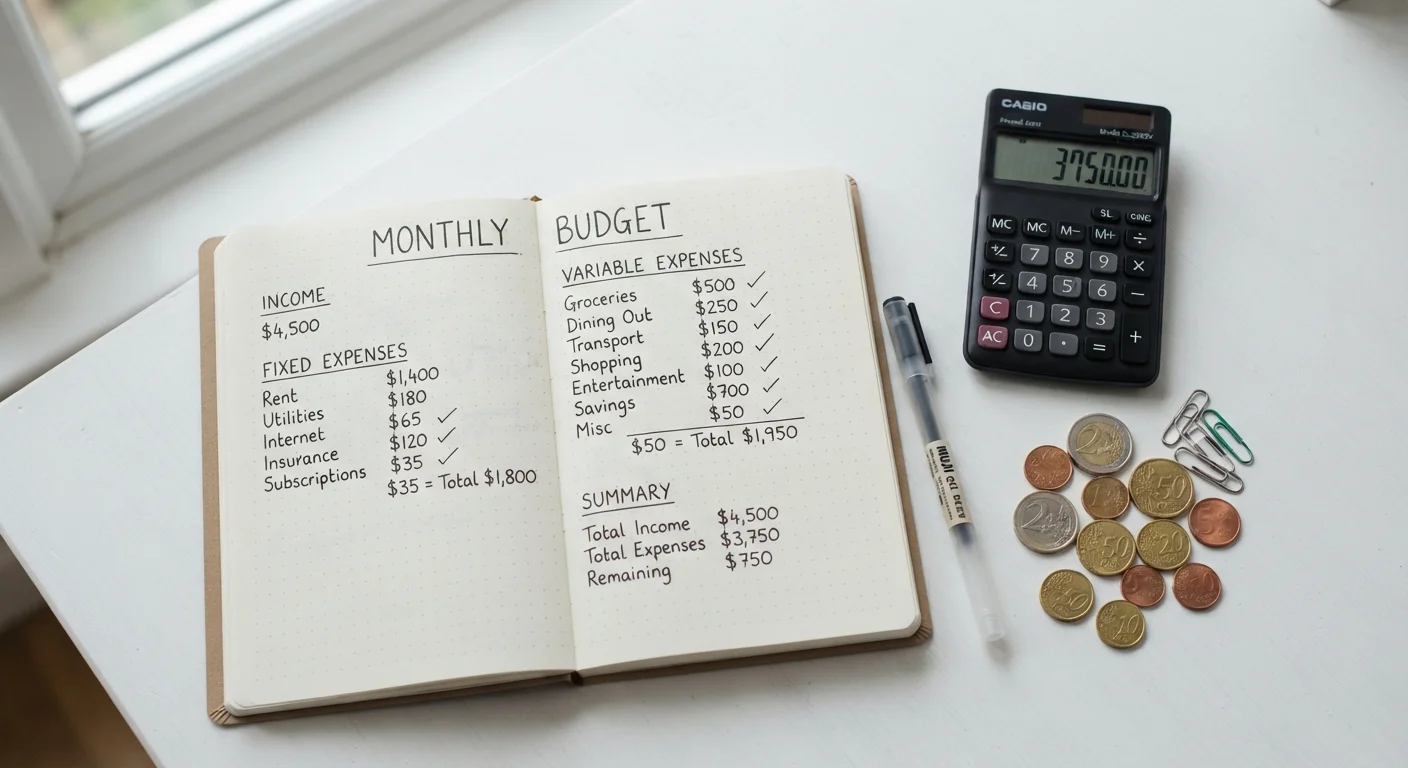
Budgeting Methods Compared: Zero-Based, 50/30/20, Pay-Yourself-First, and More
A side-by-side look at today's most widely used budgeting approaches — what each one requires, who it suits, and what it…

Budgeting Myths That Keep People From Starting
Think budgeting is only for people in debt, or that it means giving up everything fun? These common misconceptions are w…

Budgeting With a Partner: Navigating Joint Finances Without the Arguments
Combining finances with another person introduces new challenges. Here's how couples and housemates can structure a shar…

Budgeting on an Irregular Income: Strategies for Freelancers and Gig Workers
When your paycheck changes every month, standard budgeting advice often falls short. Here's how to build a system that h…
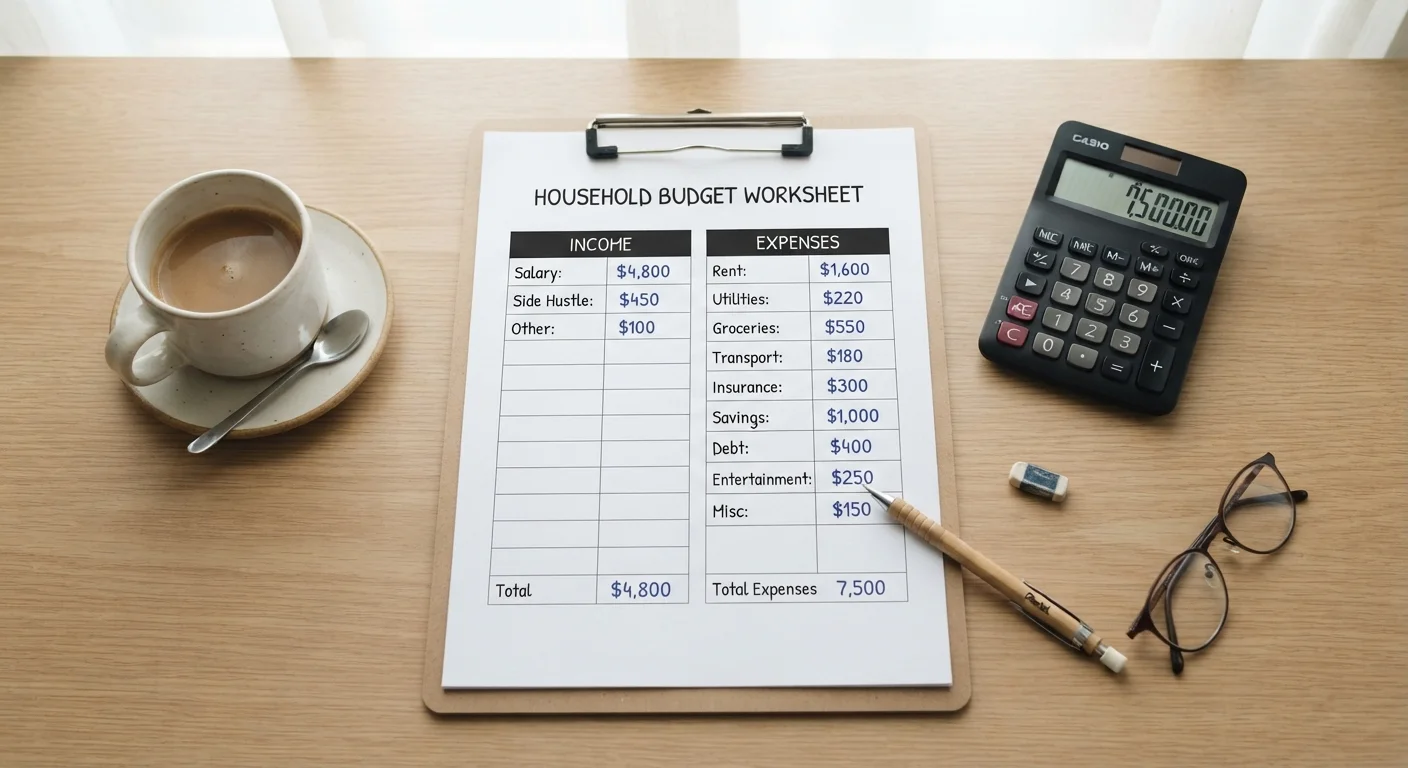
Fixed vs. Variable Expenses: Understanding the Building Blocks of Any Budget
Discover how fixed and variable expenses differ, why the distinction matters for planning, and how to manage both within…

Making a Budget That Lasts: Principles Behind Sustainable Monthly Spending Plans
Explore the core habits and design choices that separate short-lived budgets from ones people actually follow month afte…

Monthly Budget Audit Checklist
Run through this structured checklist each month to confirm your spending aligns with your goals, catch surprises early,…

Needs vs. Wants: How to Draw the Line When Money Is Tight
The needs-versus-wants distinction sounds simple, but applying it is harder. Learn how to categorize spending honestly w…
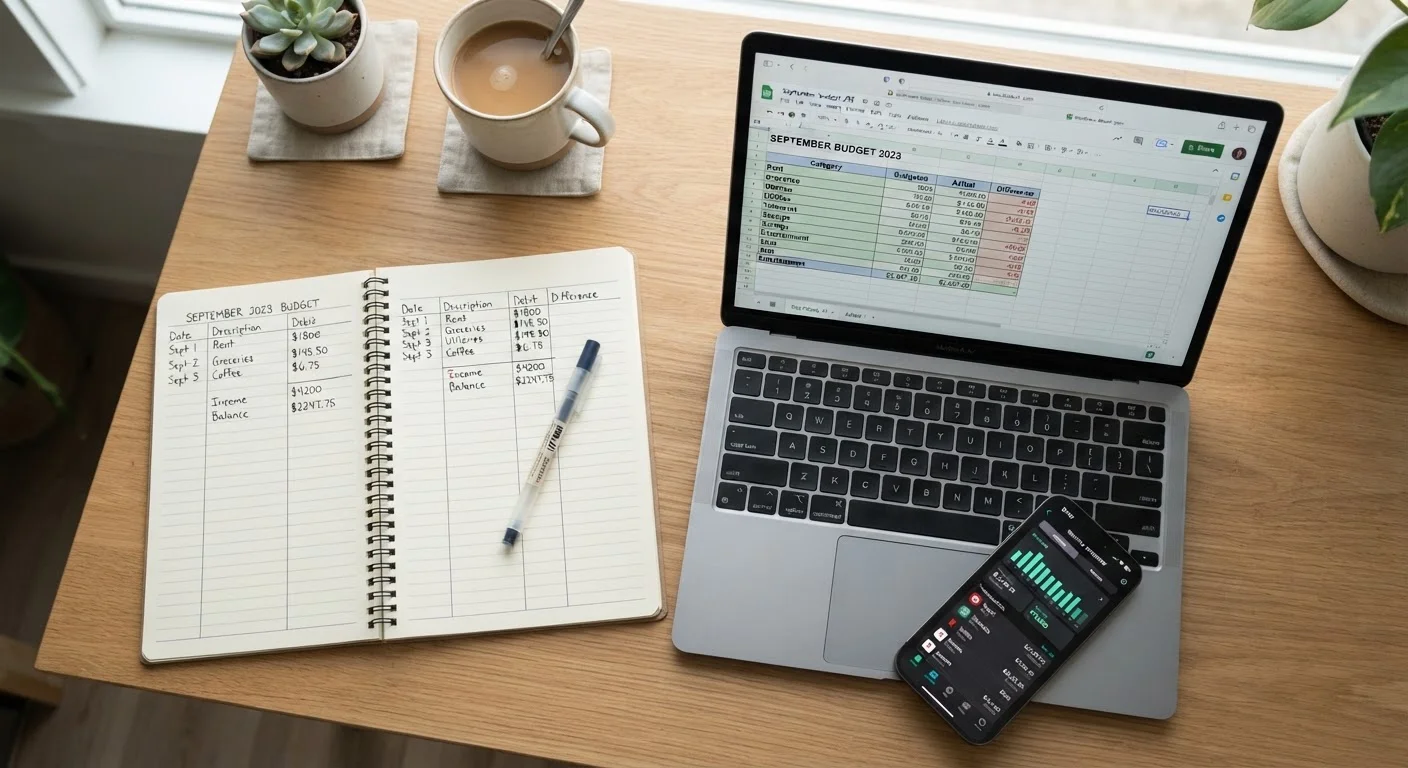
Paper Budget vs. Digital Spreadsheet vs. Budgeting App: Choosing Your Tracking Method
Each budget-tracking format has real trade-offs. This comparison helps you weigh simplicity, accuracy, and habit-fit bef…
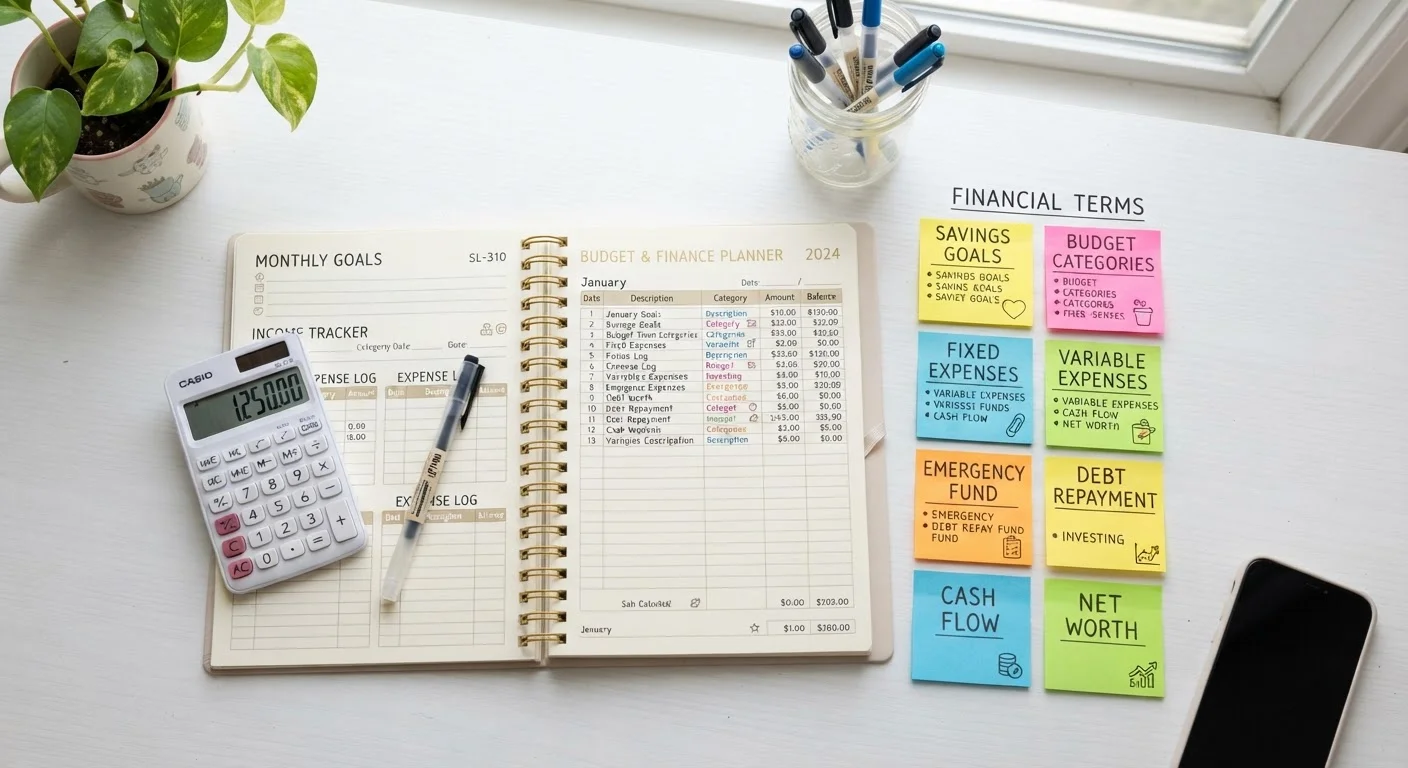
Spending Tracker Glossary: Key Terms Every Budgeter Should Know
A plain-language reference covering essential budgeting terms — from discretionary income to sinking funds — so the jarg…
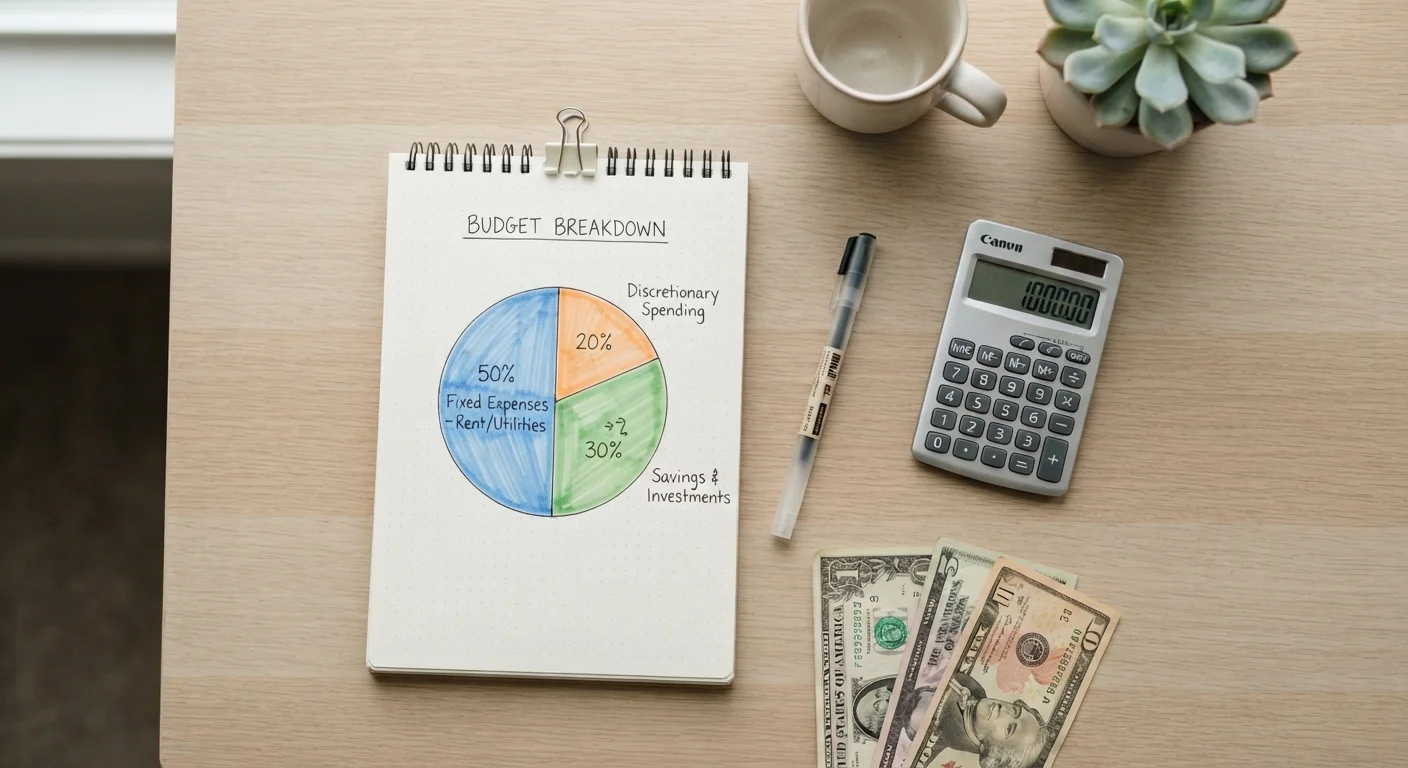
The 50/30/20 Rule Explained: A Simple Framework for Monthly Spending
Learn how the 50/30/20 budgeting rule divides income into needs, wants, and savings — and whether it fits your financial…

The Case for a Sinking Fund: Planning Ahead for Irregular Expenses
Car repairs, annual subscriptions, and holiday gifts don't have to derail your budget. Here's how sinking funds work and…

The Complete Guide to Personal Budgeting: From First Paycheck to Long-Term Financial Stability
A comprehensive, end-to-end resource covering every stage of personal budgeting — tracking income, managing categories, …

Why Budgets Fail Before February: Common Pitfalls and How to Sidestep Them
Most budget attempts break down within weeks. Here are the specific mistakes that derail people and practical ways to av…

Your First Monthly Budget: A Ground-Up Guide for Complete Beginners
Never made a budget before? This guide walks through every step — from calculating take-home pay to setting spending cat…

Zero-Based Budgeting vs. the Envelope Method: Which Approach Fits Your Habits?
Compare two popular budgeting systems side by side to understand how each works, who each suits, and what tradeoffs each…

A Complete Look at Personal Debt: Types, Terms, and Trade-Offs
Credit cards, student loans, medical debt, personal loans — a clear reference covering what each type of debt means and …
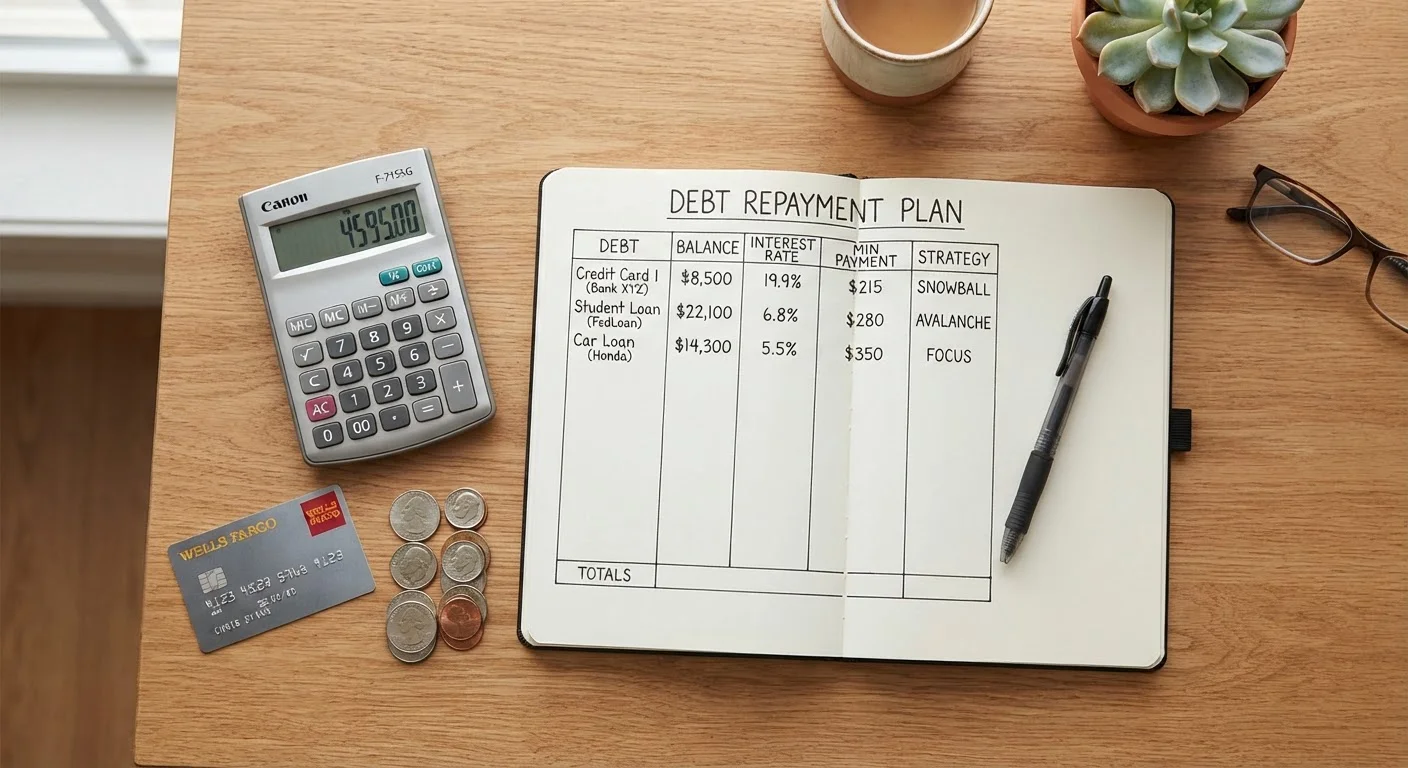
Approaches to Paying Down Credit Card Debt Faster
From balance transfers to biweekly payments, explore the most effective strategies for reducing credit card balances — a…

Automating Your Finances Without Losing Control
Auto-transfers, scheduled payments, and round-up tools can accelerate saving — if set up thoughtfully. A practical guide…
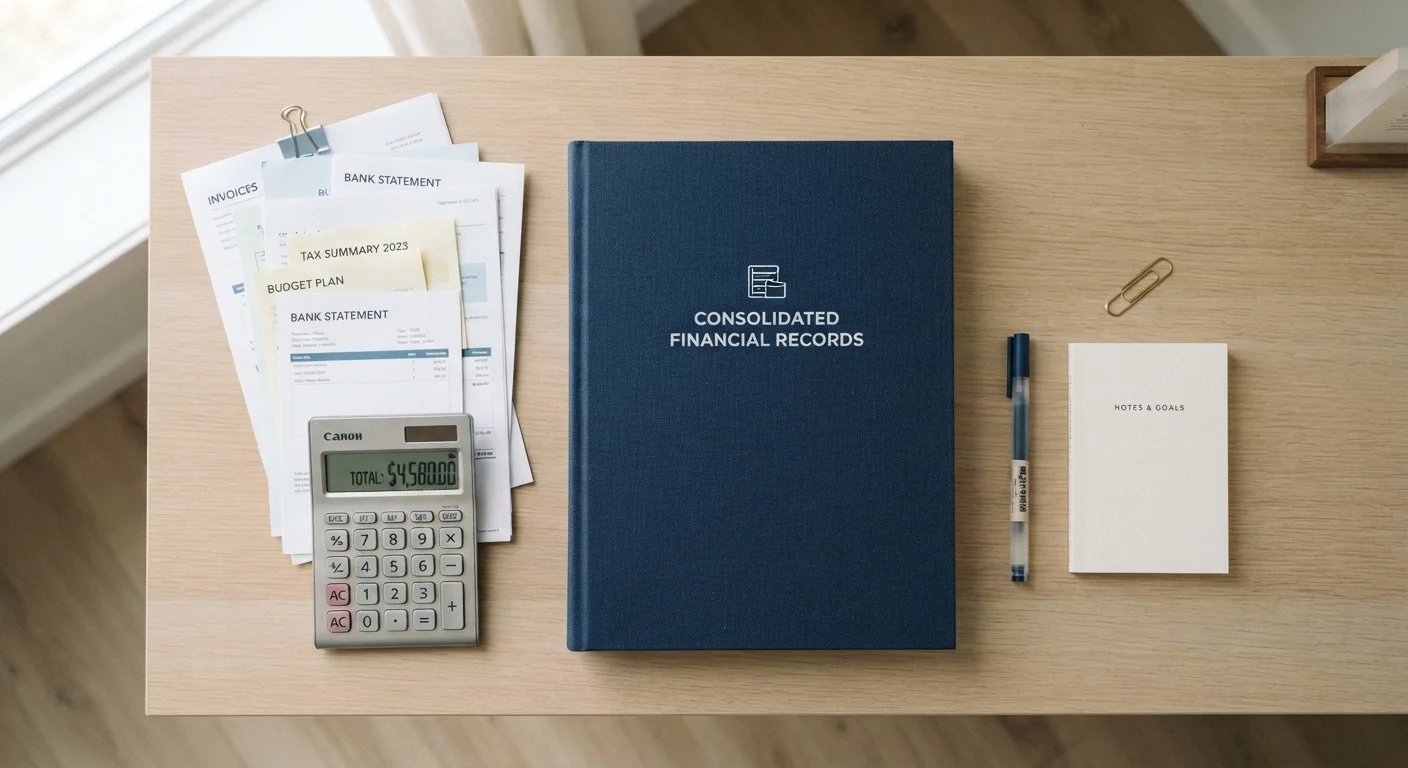
Debt Consolidation: What It Is and When It Makes Sense
Debt consolidation can simplify repayment and sometimes reduce interest costs — but it isn't right for every situation. …

Emergency Fund Sizing: How Much Is Actually Enough?
Three months or six? Learn the factors that shape a realistic emergency fund target and how to think about your own hous…

High-Yield Savings vs. Traditional Savings Accounts
A clear side-by-side look at how high-yield and traditional savings accounts differ in interest, access, and everyday pr…

Myths About Debt Payoff That Keep People Stuck
From 'minimum payments are fine' to 'all debt is bad', common misconceptions about debt repayment can cost you money and…
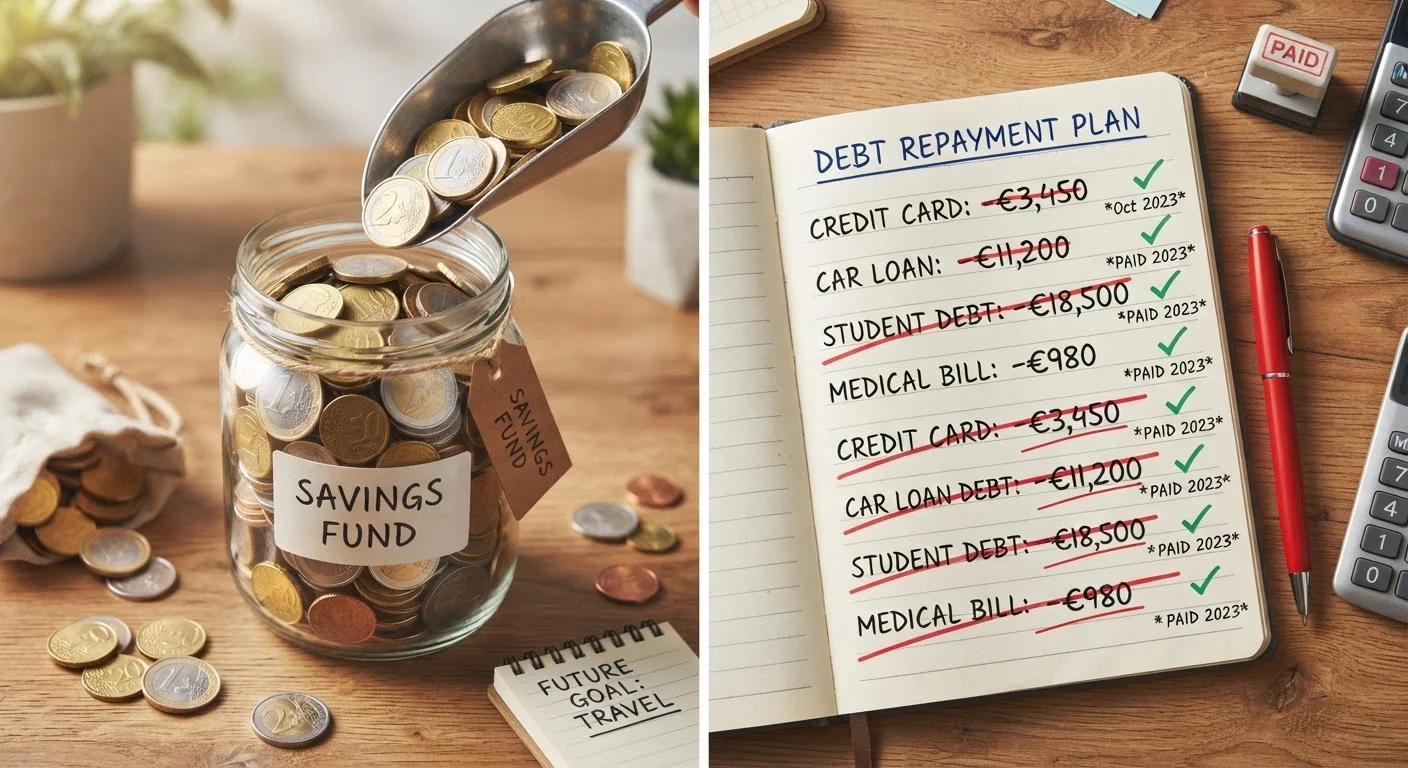
Paying Off Debt While Saving at the Same Time
Is it smarter to clear debt first or save in parallel? This guide walks through the trade-offs and a practical framework…

Pros and Cons of Using a Personal Loan to Pay Off Debt
Borrowing to repay debt sounds counterintuitive — but it can work. A balanced breakdown of when a personal loan helps an…

Reasons a Savings Plan Stalls - and How to Restart It
Inconsistent income, lifestyle creep, and unclear goals are among the most common reasons savings goals go off track. He…

Savings Habits That Quietly Compound Over Time
Small, consistent behaviours often outperform big one-time efforts. Explore the daily and monthly habits that build last…

Sinking Funds: The Savings Tool Most Budgets Are Missing
A sinking fund sets aside money gradually for a known future expense. Learn how this simple concept prevents debt and bu…
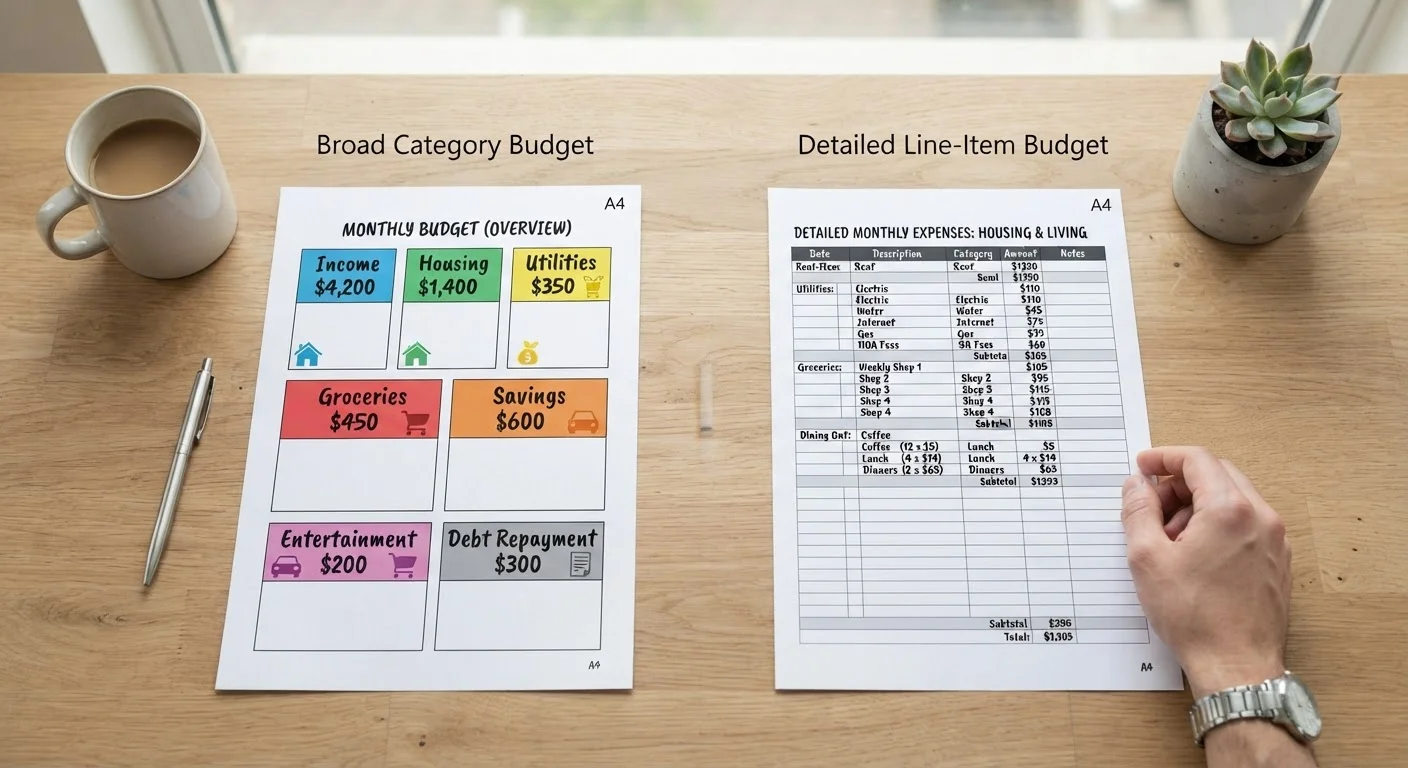
The 50/30/20 Rule vs. Zero-Based Budgeting
Two of the most popular budgeting frameworks compared: how each works, who each suits, and where each tends to fall shor…
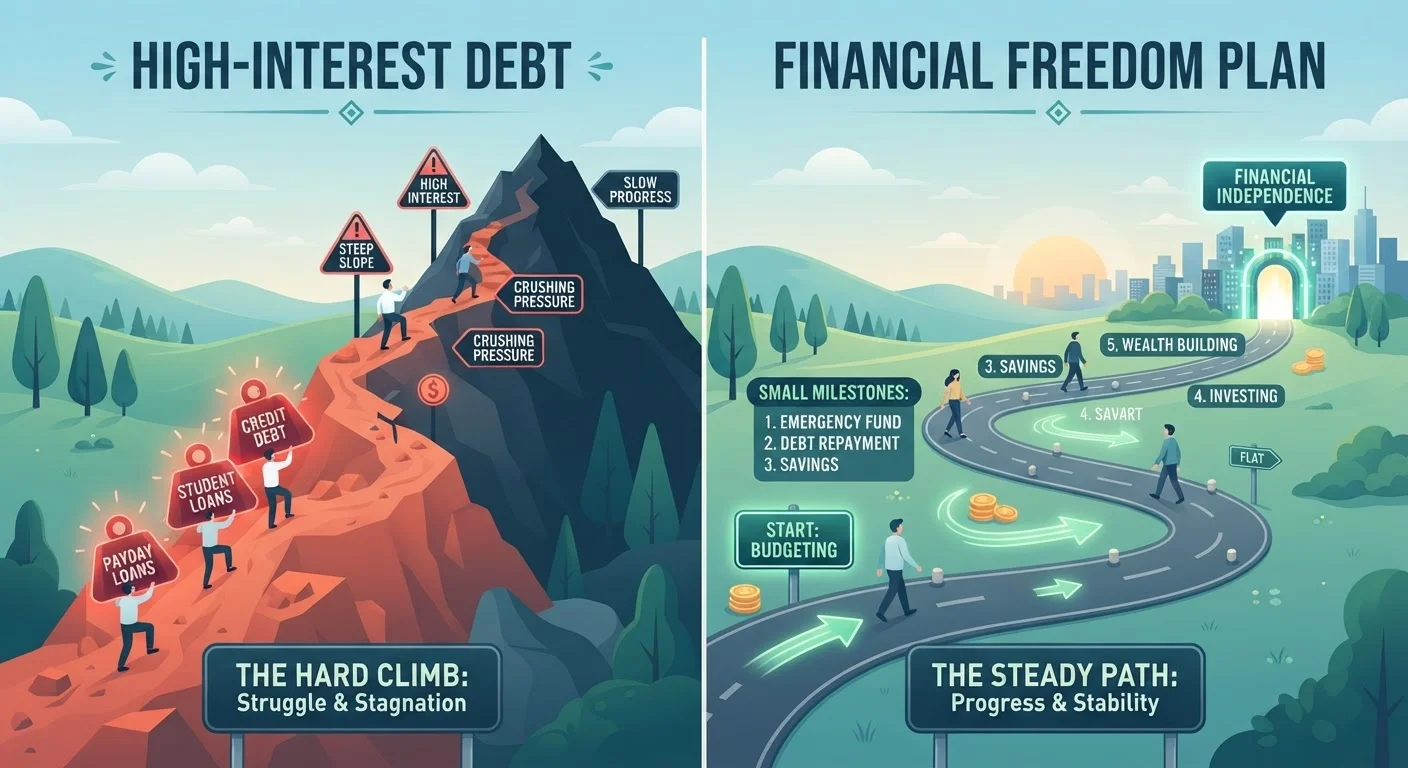
The Debt Avalanche and Debt Snowball, Explained
Understand how the debt avalanche and snowball methods work, what separates them, and which approach may suit different …

Where Every Dollar Actually Goes: Building Your First Budget
New to budgeting? This beginner-friendly walkthrough covers tracking income, categorising expenses, and setting savings …

Your Annual Financial Health Check: A Savings and Debt Audit
A structured checklist to review your emergency fund, debt balances, interest rates, and saving progress — and identify …

Anchoring, Loss Aversion, and the Psychology Behind Every Sale Sign
Retailers use well-documented psychological techniques to shape your decisions. Understanding them is the first step to …

Building a Grocery Budget That Reflects How You Actually Eat
Generic food budgets rarely fit real households. Learn how to set a grocery spending target grounded in your own habits …

Bulk Buying: When Stocking Up Pays Off and When It Doesn't
Buying in bulk can cut costs or create waste. Here's how to judge whether a large-quantity purchase genuinely saves mone…

Cash, Debit, or Credit: Choosing the Right Tool for Each Purchase
Each payment method carries different risks, protections, and incentives. Match the tool to the transaction for smarter …
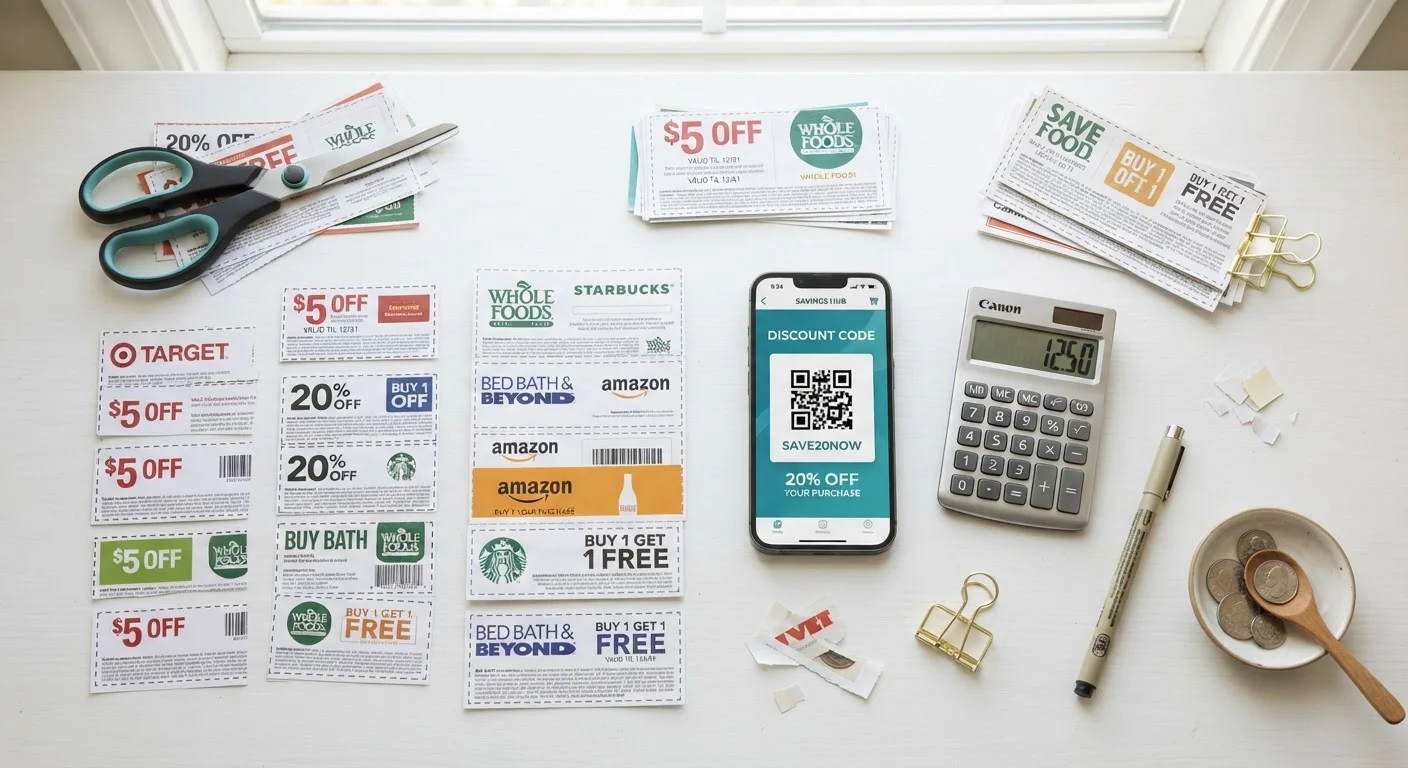
Common Myths About Coupons and Discount Codes
Not every coupon saves money and not every deal is worth taking. Separate widespread coupon misconceptions from how disc…

Everyday Spending Habits That Quietly Drain Your Budget
Small, routine purchases add up faster than most people realize. Spot the patterns that chip away at your financial cush…

Loyalty Programs: Genuine Perks or a Spending Trap?
Points and rewards can deliver real value—or nudge you toward purchases you didn't need. Here's how to evaluate any loya…

Needs, Wants, and the Gray Area Between Them
The line between need and want isn't always obvious. Here's a practical framework for sorting your spending with confide…

Smart Spending From the Ground Up: A Practical Introduction
New to managing your day-to-day money intentionally? This overview covers the core concepts, mindsets, and habits that u…

Store Brands vs. Name Brands: What You're Actually Paying For
Private-label products often share formulas with national brands. Find out when generic works just as well and when it f…
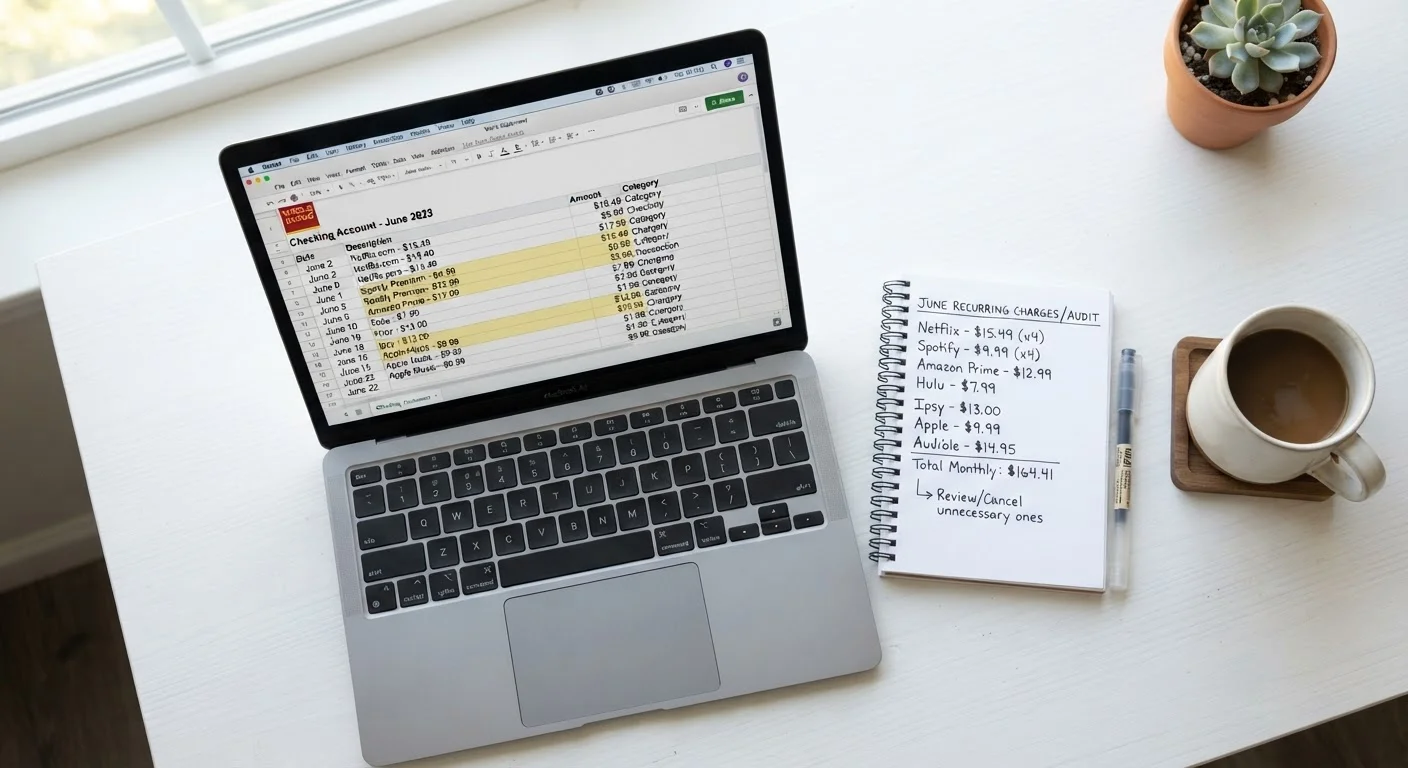
Subscription Creep: Auditing the Recurring Charges on Your Accounts
Monthly charges accumulate invisibly. Use this structured review to identify, evaluate, and decide on every active subsc…

The 30-Day Rule and Other Pause Strategies for Impulse Spending
Cooling-off techniques like waiting periods can interrupt reactive purchases. Learn how different pause strategies work …

The Real Difference Between Price and Value
Price is what you pay; value is what you get. Learn how to tell them apart and make smarter everyday spending decisions.…

Unit Pricing: The Shelf Label Detail Most Shoppers Ignore
Unit price tells you the true cost per ounce, sheet, or serving. Learn to read it and you'll almost always find the bett…

What a Cost-Per-Use Calculation Can Tell You Before You Buy
Dividing price by expected uses reframes what 'expensive' actually means. Here's how to run the math before any signific…

Where Frugality Ends and False Economy Begins
Spending less doesn't always mean saving more. Understand when cutting costs actually costs you more in the long run.…