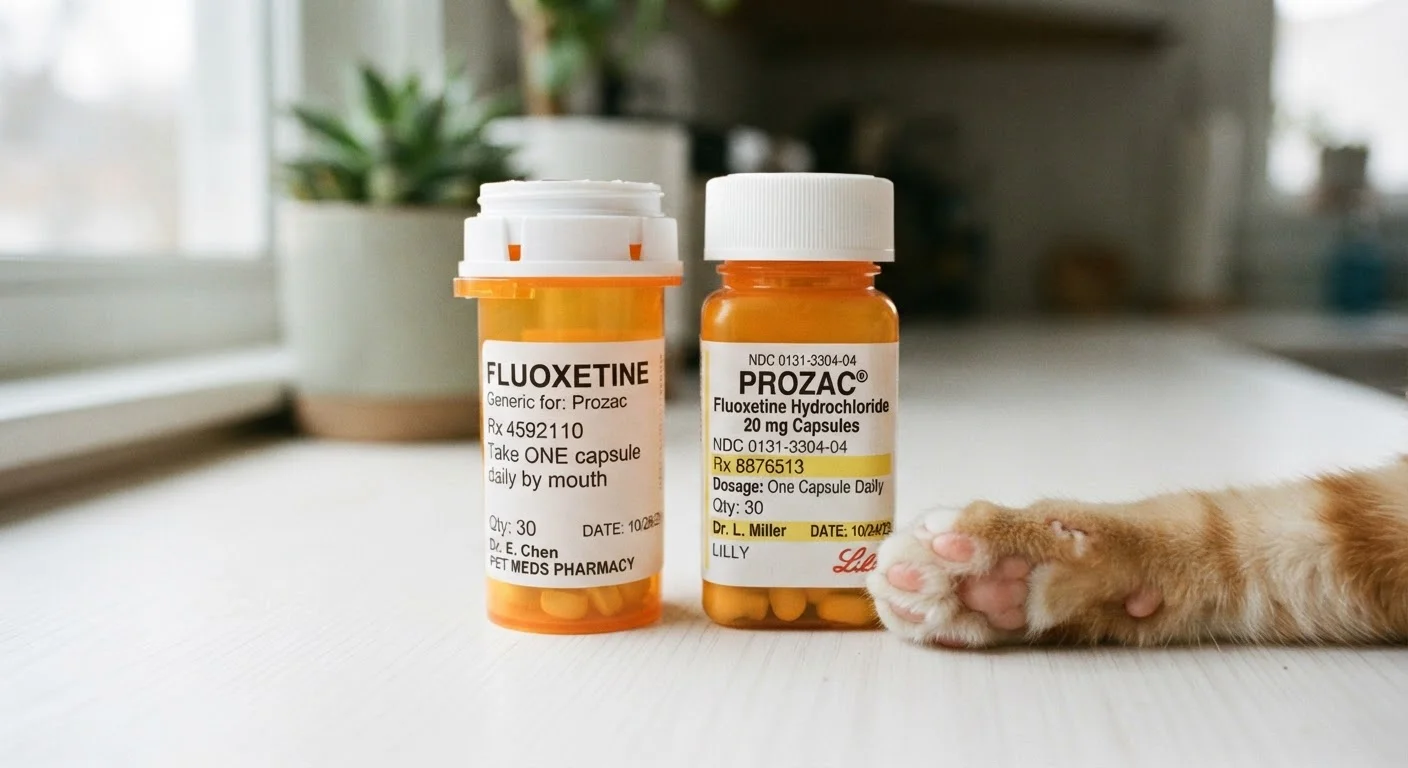
What Makes a Medication 'Generic'?
A generic medication contains the same active ingredient - the chemical compound responsible for the drug's therapeutic effect - at the same dose and in the same form (tablet, liquid, injection) as its brand-name counterpart. In the United States, the FDA requires that generic drugs demonstrate bioequivalence: they must be absorbed into the body at a rate and extent comparable to the original drug.
What generics are not required to replicate are inactive ingredients - the binders, fillers, dyes, and flavorings that hold a tablet together or make a liquid palatable. These components vary between manufacturers and are generally considered inert, though individual animals can occasionally respond differently to them.
The lower price of generics reflects economics, not quality. Once a brand-name drug's patent expires, other manufacturers can produce the same active ingredient without bearing the original research, clinical trial, and regulatory approval costs. Those savings are typically passed on. For a deeper look at how this same dynamic plays out across consumer products, see how store brands compare to name brands.
How They Compare: A Side-by-Side Look
Understanding the practical differences helps you ask more targeted questions at your next veterinary appointment.
| Criterion | Brand-Name Medications | Generic Medications |
|---|---|---|
| Active ingredient | Original formulation | Identical active compound |
| FDA approval standard | Full NDA approval | Bioequivalence demonstrated (ANDA) |
| Inactive ingredients | Original binders, fillers, flavors | May differ by manufacturer |
| Typical cost | Generally higher | Generally lower |
| Availability | Always available if approved | Depends on patent expiry and demand |
| Palatability (pet acceptance) | Established formula | Flavor may differ; varies by product |
| Narrow therapeutic index drugs | Standard monitoring applies | Extra monitoring advised after switch |
One area worth particular attention is flavor and palatability. Veterinary medications are often flavored to encourage compliance - a chicken-flavored chewable is far easier to administer than a plain tablet. Generic versions may use different flavorings, which can affect whether a finicky pet accepts the medication. If your pet refuses a generic formulation, that's a practical - not just theoretical - concern to raise with your vet.
When Switching Makes Sense - and When It Requires Caution
Generics tend to work well for straightforward, long-term maintenance medications. Common examples in veterinary medicine include thyroid hormone replacement (such as generic levothyroxine) and certain antiparasitic compounds. For pets managing chronic conditions over years, the cumulative cost difference between brand-name and generic can be substantial. Reducing recurring pet expenses without compromising your pet's care is a realistic goal when generics are used appropriately.
Caution is warranted in specific situations:
- Narrow therapeutic index drugs - medications where the effective dose and the harmful dose are close together (certain seizure medications fall into this category) - may require more careful monitoring after a switch.
- Compounded medications, which are custom-mixed preparations, follow different regulatory standards and should be evaluated separately from standard generics.
- Veterinary-exclusive drugs developed specifically for animal use may have no generic equivalent available yet.
The range of flea, tick, and heartworm prevention options illustrates how varied formulations can be - generic availability differs considerably across that category as well.
A Note on Compounded Medications
Compounded pet medications - custom preparations mixed by a compounding pharmacy - are distinct from standard FDA-approved generics. They may offer practical benefits (unique dosage forms, specific flavors) but operate under different regulatory oversight. The FDA provides guidance on compounding for veterinary use; ask your veterinarian whether a compounded option has been reviewed for your pet's specific needs.
This article provides general educational information about pet medications and is not a substitute for advice from a licensed veterinarian. Always consult your vet before making changes to your pet's medication regimen.
Practical Steps for Pet Owners
If you're curious whether a generic could work for your pet, here's how to approach the conversation constructively:
- Ask your veterinarian directly. Request their clinical reasoning if they recommend brand-name only - some drugs genuinely warrant it, others may not. A good vet will explain the distinction.
- Check whether an FDA-approved generic exists. Not every drug has one. Your vet or a licensed pharmacist can confirm availability.
- Monitor your pet after any switch. Even bioequivalent drugs can occasionally affect individual animals differently. Track symptoms, behavior, and any changes for the first few weeks and report concerns promptly.
- Consider the full cost picture. If affordability is genuinely limiting your ability to fill a prescription, communicate that. Veterinarians can sometimes suggest alternatives, including low-cost veterinary resources that may help reduce overall care costs.
For a broader view of where pet owners commonly miscalculate spending tradeoffs, common myths about saving money on pet care is a useful companion read. Being an informed, cost-conscious owner and being a responsible one are not in conflict - they just require good information and open dialogue with your veterinary team.