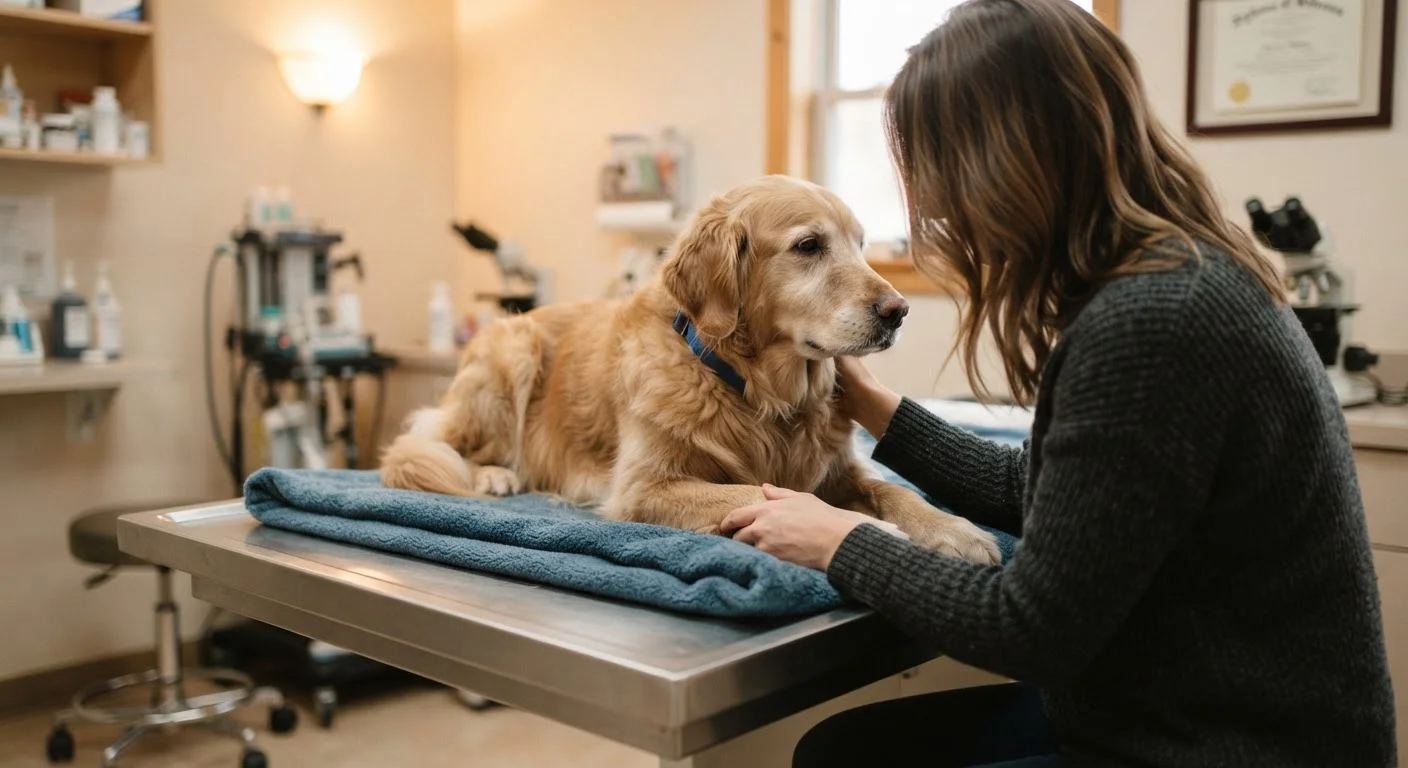
Why the Timing of a Vet Visit Matters
Every pet owner eventually faces the same question: is this symptom something to watch at home, or does it need professional attention today? The answer has real consequences - both for your pet's health and your wallet. Waiting too long on a serious sign can turn a straightforward treatment into a complex and expensive emergency. Acting on every minor blip, on the other hand, can strain a household budget unnecessarily.
The goal of this checklist is to help you make that call with more confidence. It draws on general veterinary guidance to outline which symptoms warrant immediate emergency care, which need a prompt scheduled visit, and which can be safely noted and raised at a routine appointment. It is not a substitute for professional veterinary advice - when you're genuinely uncertain, calling your vet's office is always the right step.
For a broader look at the financial case for acting early, see how preventive care compares to emergency vet bills. And if you're building a financial safety net for unexpected visits, our guide to sizing a pet emergency fund is a practical starting point.
Cats Hide Illness Better Than Dogs
Cats are instinctively wired to conceal signs of weakness, which means serious illness often presents as subtle behavioral changes rather than obvious symptoms. If your cat is hiding more than usual, has stopped grooming, or is unusually quiet, treat it as a signal worth investigating promptly - not something to wait out. When in doubt, a call to your vet is always the right move.
How to Use This Checklist
Work through the checklist groups below in order. The first group covers signs that require emergency care right now - no waiting. The second covers symptoms that should prompt a same-day or next-day vet call. The third group identifies slower-developing changes worth tracking and raising at a scheduled visit.
Before you reach the vet, the preparation group at the end helps you arrive with the information your vet actually needs. Good symptom reporting - when it started, how often it happens, what else has changed - significantly improves the quality of care your pet receives.
Symptom log (notebook or notes app)
Track when symptoms began, their frequency, and any patterns to report accurately to your veterinarian.
Pet poison helpline number
Keep a 24-hour pet poison hotline number saved in your phone for immediate guidance if your pet ingests something toxic.
Digital or rectal thermometer (pet-safe)
Measure your pet's temperature at home - normal range is roughly 101-102.5°F for dogs and cats - to share with your vet.
Pet's health records folder
Store vaccination history, prior diagnoses, and medication lists in one place so they're ready for any vet visit.
Immediate emergency signs - go now
Urgent - schedule a vet visit within 24 hours
Monitor closely - schedule a routine appointment soon
Preparation - before and during the visit
Don't Use Human Medications Without Vet Guidance
It may be tempting to treat a pet's apparent pain or discomfort with over-the-counter human medications, but many - including common pain relievers like ibuprofen and acetaminophen - are toxic to dogs and cats. Always consult your veterinarian before giving your pet any medication, even something that seems mild.
"Wait and See" Has Real Limits
Home observation is appropriate for genuinely minor, isolated symptoms - a single soft stool, brief lethargy after travel. But when multiple symptoms appear together, or a single symptom worsens or persists beyond 24 hours, waiting further can allow a treatable condition to escalate into an emergency. If you're unsure, call your vet's office: most practices can help you triage over the phone.
For guidance on what you can reasonably track between vet visits, see our companion article on at-home pet health monitoring. And if your pet is older, keep in mind that senior animals have different screening thresholds - some symptoms that are minor in younger pets carry more weight in older ones.
One often-overlooked area: oral health. Many owners don't realize how frequently dental disease contributes to broader health problems. Our article on dental disease in pets covers the signs that are easy to miss at home.
This article provides general health information for educational purposes only and is not a substitute for professional veterinary advice, diagnosis, or treatment. Always consult a licensed veterinarian for guidance specific to your pet's health.