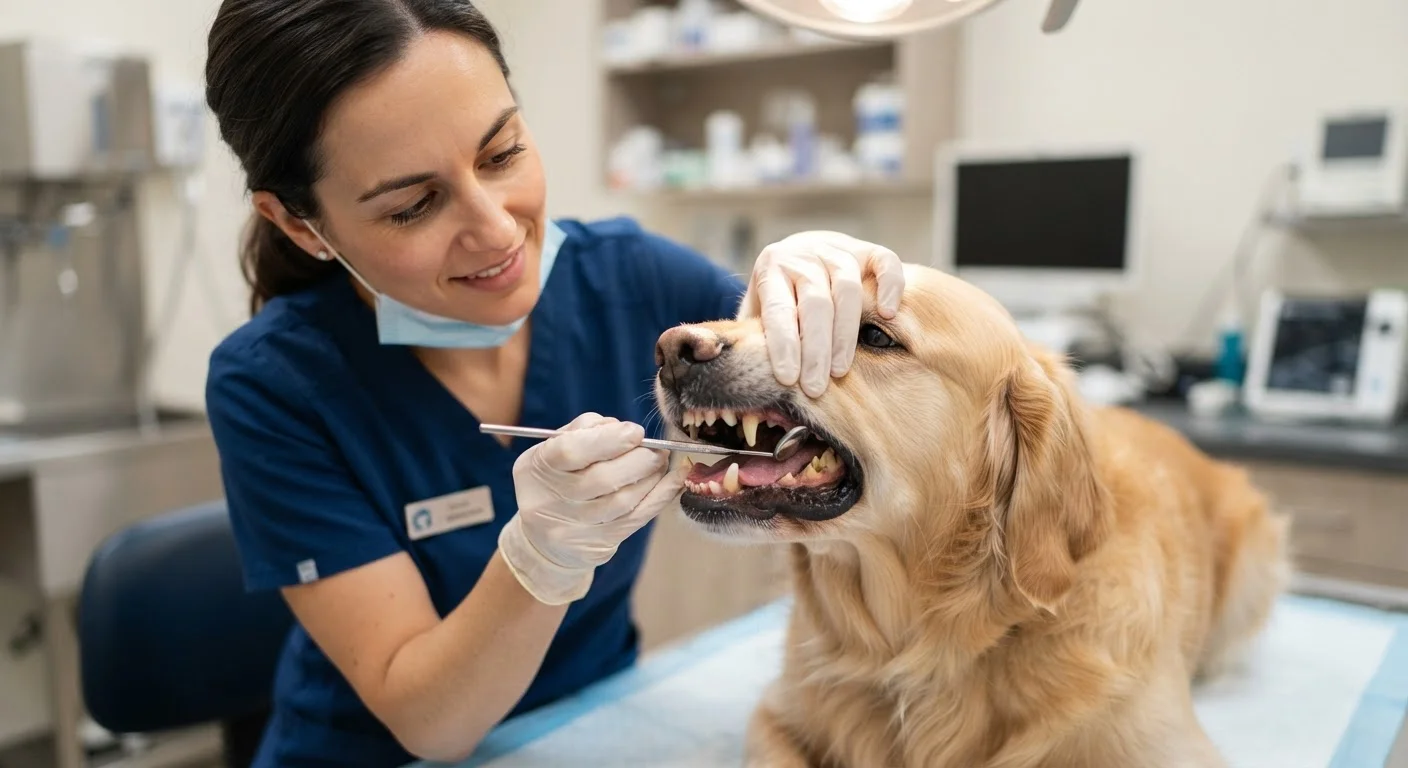
Why Pet Dental Disease Stays Hidden So Long
Most pets are remarkably good at masking discomfort. In the wild, showing pain signals weakness - so even a dog or cat with a badly infected mouth may continue eating, playing, and acting normally until the disease is quite advanced. This instinct, combined with the fact that owners rarely look closely inside their pet's mouth, allows dental disease to progress silently for months or years.
Periodontal disease - inflammation and infection of the structures supporting the teeth - is widely considered one of the most prevalent health conditions in adult companion animals. By middle age, many dogs and cats show some measurable degree of it. Yet it remains underdiagnosed in part because owners don't know what to look for, and in part because the signs can be easy to rationalize away. Understanding the most common mistakes pet owners make is the first step toward better care. See our guide to recognizing when a vet visit is necessary for a broader look at symptoms worth taking seriously.
Dental Disease Can Affect More Than Just the Mouth
Chronic oral infection creates a sustained bacterial load in the body. Veterinary research has explored associations between severe periodontal disease and conditions affecting the heart, kidneys, and liver, though the full nature of these relationships is still being studied. This is one reason dental care is treated as a whole-health issue - not simply a cosmetic one. Always consult your veterinarian for guidance tailored to your pet.
Common Mistakes Pet Owners Make with Dental Health
The following errors are among the most consequential - and the most fixable - when it comes to protecting your pet's oral health over the long term.
Assuming bad breath is just a normal part of owning a pet.
Why it happens: Many owners have heard the phrase "dog breath" so often that they treat foul odor as an inherent trait rather than a symptom.
Skipping annual or biannual veterinary dental exams.
Why it happens: Dental checkups may feel like an add-on expense, particularly when the pet appears healthy and is eating normally.
Relying on treats, chews, or water additives alone as a dental care plan.
Why it happens: These products are widely marketed and feel like an easy, stress-free alternative to brushing or professional cleanings.
Waiting for a pet to stop eating before suspecting a dental problem.
Why it happens: Owners logically assume that a pet in significant mouth pain would refuse food - but most pets continue eating even with advanced dental disease.
Avoiding professional dental cleanings due to concerns about anesthesia.
Why it happens: Anesthesia can feel risky, particularly for older pets, and some owners have encountered misleading marketing for "anesthesia-free" dental cleanings.
~80%
Adult dogs showing signs of periodontal disease by age 3
According to the American Veterinary Medical Association, periodontal disease is among the most common clinical conditions seen in adult dogs.
70%+
Adult cats estimated to have some degree of oral disease
Veterinary dental literature broadly cites that the majority of cats over age three show evidence of dental or periodontal disease.
Building a Realistic At-Home and Veterinary Dental Routine
Prevention requires both professional care and consistent effort at home. Veterinary dental cleanings - performed under anesthesia so the vet can safely examine and clean below the gumline - are the only way to address tartar buildup and early periodontal pockets. At-home brushing, when done correctly and with pet-safe products approved by your veterinarian, can meaningfully slow plaque accumulation between professional visits.
Before introducing any dental product or routine, consult your veterinarian. Some pets have underlying conditions that affect what approaches are appropriate. Consistency matters more than perfection: even a few brushing sessions per week can help, according to many veterinary dental guidelines, though daily brushing is typically the goal.
For owners concerned about cost, it helps to think about dental care the way you'd think about any preventive investment. Our article on why preventive care pays off financially explains how routine maintenance generally costs far less than treating advanced disease. If expenses are a concern, our practical guide for cost-conscious pet owners covers strategies for managing veterinary expenses without compromising welfare. Older pets may need more frequent dental assessments - see our overview of how senior pet care needs shift with age for more context.
This article is for general informational purposes only and is not a substitute for professional veterinary advice. Always consult a licensed veterinarian regarding your individual pet's health needs.