The Financial Logic of Prevention
Many pet owners view routine veterinary visits as an optional expense - something to schedule only when a problem is visible. In practice, this approach tends to cost more over a pet's lifetime, not less. Preventive care works by intercepting disease at its earliest, most treatable stage, before it demands diagnostics, hospitalization, or long-term medication.
For a practical breakdown of how routine costs compare to emergency bills, see our cost comparison of preventive vs. emergency vet care. The gap is often striking. This article focuses on the specific practices that deliver the most protective value, and why skipping them tends to generate the expenses owners were hoping to avoid.
This article provides general health information for educational purposes only and is not a substitute for personalized veterinary advice. Always consult a licensed veterinarian for guidance specific to your pet.
85%
Adult pets with some degree of dental disease
The American Veterinary Dental College estimates that most dogs and cats show signs of periodontal disease by age three.
3-4×
Cost difference: heartworm treatment vs. prevention
Veterinary cost comparisons consistently show that treating heartworm disease in dogs costs many times more than a year of monthly preventive medication.
Core Preventive Practices Worth Prioritizing
Veterinary consensus consistently points to a handful of practices that anchor a cost-effective care plan. These aren't optional upgrades - they're the foundation of responsible ownership that pays off financially and medically over time.
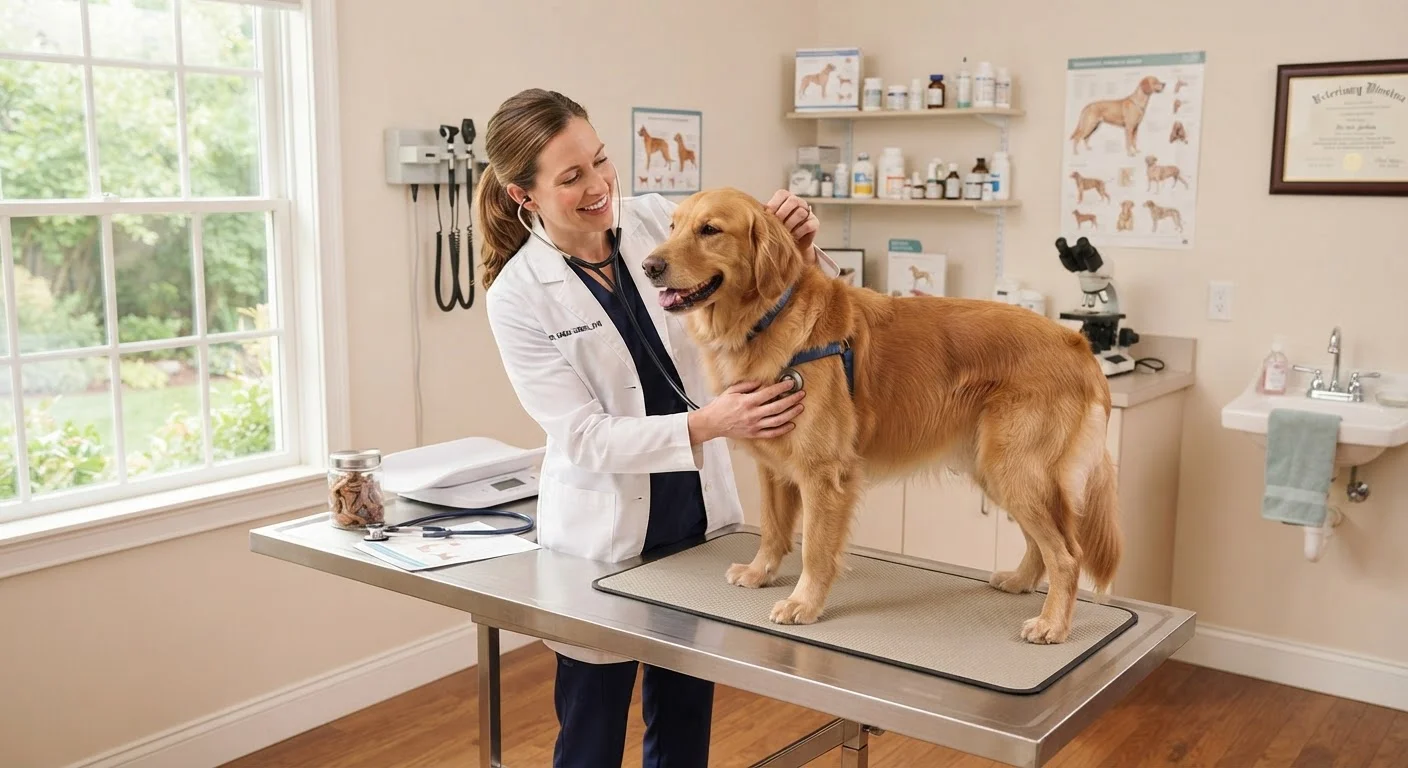
Schedule annual (or biannual) wellness exams with a licensed veterinarian.
A physical exam allows a veterinarian to identify conditions - such as heart murmurs, dental disease, lumps, or early organ changes - that are invisible to owners at home. Catching these early typically means simpler, less expensive treatment. Senior pets generally benefit from biannual visits because age-related conditions progress faster.
Keep core vaccinations current according to your vet's recommended schedule.
Core vaccines protect against diseases - such as rabies, distemper, and parvovirus in dogs, or panleukopenia and herpesvirus in cats - that are highly contagious, often fatal, and extremely expensive to treat if a pet survives. Vaccine costs are modest relative to the hospitalization required to manage these illnesses.
Maintain year-round parasite prevention for fleas, ticks, and heartworm.
Parasites do direct harm (blood loss, skin disease, transmitted illnesses) and some, like heartworm, cause irreversible organ damage if untreated. Monthly preventives are significantly less expensive than treating an active infestation or a disease like heartworm, which requires a lengthy and costly protocol to address once established.
Prioritize routine dental cleanings and daily home dental care.
Periodontal disease (infection and inflammation around the teeth and gums) affects the majority of adult pets and, when advanced, can affect heart, kidney, and liver function. Professional cleanings performed before disease is severe are less complex than extractions or treatment of secondary organ involvement. For more on what dental disease actually looks like, see our guide to dental disease in pets.
Maintain your pet at a healthy body weight through appropriate feeding and activity.
Overweight pets face significantly elevated risk of osteoarthritis, diabetes, respiratory problems, and certain cancers. Managing weight through diet and exercise costs nothing beyond the food you'd be buying anyway - and substantially reduces the likelihood of chronic disease expenses in later life.
Start Right and Stay Consistent
Prevention works best as a habit built early. If you have a new pet, the first year is especially important for establishing a health baseline and completing a vaccination and parasite-prevention schedule. Our first-year pet ownership health cost guide outlines what to anticipate medically during that window.
For owners managing tighter budgets, consistent preventive care doesn't have to mean full-price clinic visits every time. Humane society clinics, veterinary school teaching hospitals, and community health programs can make routine care more accessible. Learn more through our guide to low-cost veterinary resources for US pet owners.
Nutrition and Weight: The Overlooked Pillar
Diet and body weight rarely get framed as preventive care, but they function as exactly that. Obesity in dogs and cats is directly linked to arthritis, type 2 diabetes, respiratory problems, and reduced life expectancy - all of which generate significant veterinary costs over time. Feeding an appropriate diet in controlled portions is one of the most durable health investments an owner can make.
This doesn't mean purchasing expensive specialty foods. It means feeding a nutritionally complete diet suitable for your pet's life stage, in quantities calibrated to maintain a healthy weight. Your veterinarian can assess your pet's body condition score (a standardized scale used to evaluate healthy weight) at every annual visit. For guidance on feeding well without overspending, our pet nutrition hub offers straightforward, evidence-grounded information.
Owners looking to reduce recurring costs without cutting corners on welfare will find practical strategies in our guide to reducing recurring pet expenses. Small, consistent changes to how you purchase food and supplies can meaningfully reduce what you spend each month.
Combine Visits to Reduce Costs
Whenever possible, schedule dental assessments, vaccine boosters, and parasite prevention refills at the same annual wellness visit. Combining appointments reduces exam fees and makes it easier to stay consistent. Many veterinary practices also offer wellness plan packages that bundle routine services at a predictable annual cost - ask your clinic whether this option is available.