Why the First Year Is the Most Intensive
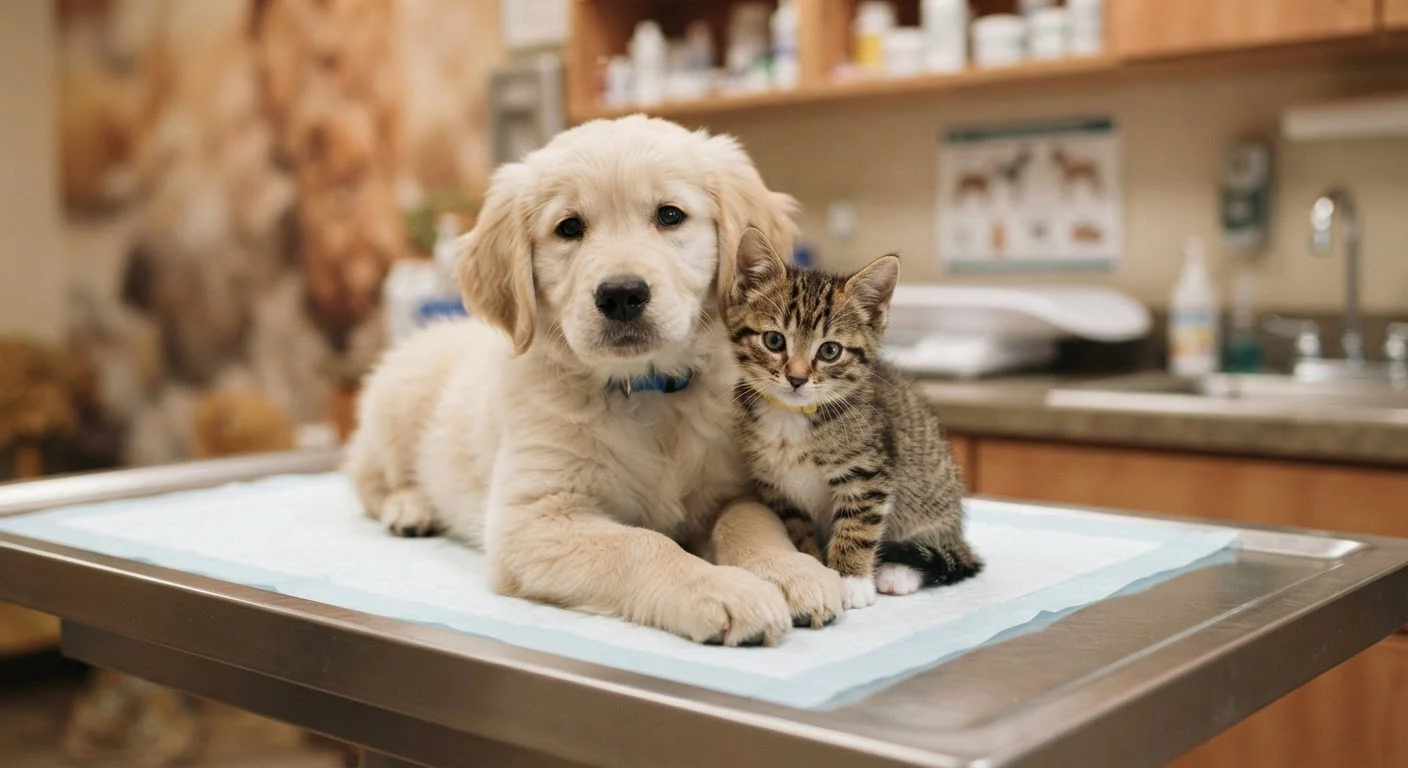
Bringing a new pet home is exciting - and medically speaking, the first 12 months are genuinely demanding. Young animals arrive with immature immune systems, making them more vulnerable to infectious disease. They also need a series of interventions - vaccinations, parasite control, and typically a surgical procedure - that cluster heavily into the first half of the year.
For budget-conscious owners, the key insight is that this spending is predictable. Unlike emergency care, first-year milestones can be mapped out in advance, giving you the opportunity to plan rather than scramble. See our full breakdown of annual pet ownership costs to understand how year one fits into the longer financial picture.
Core vaccines
Vaccinations recommended for all pets of a given species regardless of lifestyle, because the diseases they prevent are widespread and serious. For dogs, these include distemper and parvovirus; for cats, panleukopenia and herpesvirus.
Non-core vaccines
Optional vaccinations recommended based on a pet's individual risk factors - such as exposure to other animals, geographic location, or outdoor access. Examples include Bordetella for dogs and feline leukemia virus vaccine for cats.
Wellness exam
A routine, preventive veterinary visit where a vet assesses your pet's overall health, updates vaccines, and screens for early signs of disease - even when the pet appears healthy.
Parasite prevention
Ongoing use of medications or treatments to protect pets from internal parasites (like heartworm and intestinal worms) and external parasites (like fleas and ticks). Most protocols are monthly and year-round.
Fecal test
A laboratory analysis of a stool sample used to detect intestinal parasites such as roundworms, hookworms, and giardia. Commonly performed during early vet visits for puppies and kittens.
Spay / Neuter
Surgical procedures that remove a pet's reproductive organs. Spaying refers to females; neutering to males. Beyond population control, these procedures are associated with various health considerations your vet can explain.
Core Veterinary Milestones to Expect
Your pet's first-year schedule will likely include these major touchpoints:
- Initial wellness exam: Within the first week or two of bringing your pet home, a foundational exam establishes baseline health and flags any concerns from the breeder or shelter.
- Vaccine series: Puppies and kittens need a series of vaccines spaced three to four weeks apart - not a single shot. The series typically spans eight to sixteen weeks of age, with a rabies vaccine added at the appropriate age per your state's legal requirements.
- Fecal parasite testing: Young animals frequently carry intestinal parasites, often passed from mother to offspring. A fecal test and deworming treatment are standard early steps.
- Heartworm and flea/tick prevention: Monthly preventives are typically started early and maintained year-round. Your vet will recommend appropriate options based on your region's parasite risks.
- Spay or neuter consultation and surgery: Timing varies by species and breed; this is discussed in more detail below.
- Six-month or annual wellness visit: Once the initial series is complete, your pet transitions to routine wellness exams. Learn what a wellness exam actually covers so you know what to expect each visit.
Understanding First-Year Health Costs
First-year veterinary spending is almost always higher than what you will pay in a typical subsequent year. The vaccine series alone requires multiple visits. Add spay or neuter surgery, parasite testing, and monthly preventives, and the total can be meaningful - though it varies considerably by location, pet size, and clinic pricing.
A few factors that influence costs include geographic region (urban clinics tend to charge more than rural ones), pet size (larger dogs cost more to sedate and treat), whether you adopted from a shelter that pre-covered some services, and whether any early health issues arise. Hidden costs first-time owners often overlook - such as licensing fees and microchipping - can add up alongside veterinary expenses.
Build a First-Year Vet Visit Checklist
Before your first appointment, write down all the services your pet may need in year one - vaccines, fecal testing, parasite prevention, and surgery - and ask your vet for estimated costs upfront. Many clinics will provide a general price list. Having this information early lets you build a realistic monthly savings target rather than facing each bill as a surprise.
Spay or Neuter: Timing and What to Expect
For many new pet owners, spay or neuter surgery is the single largest planned veterinary expense in year one. Timing recommendations vary by species, breed size, and individual health factors, so your veterinarian's guidance should take priority over general rules of thumb. Many veterinary professionals recommend the procedure between four and six months of age for cats and smaller dog breeds; for larger breeds, some evidence supports waiting until skeletal maturity. Our article sorting the evidence from myths around spay and neuter explores what current research actually shows.
Pre-surgical bloodwork is often recommended, particularly for young animals, to ensure they are healthy enough for anesthesia. Factor this into your cost planning. Recovery is typically short - most pets return to normal activity within one to two weeks - but post-operative check-ins may apply depending on your clinic's protocol.
How to Manage Costs Without Compromising Care
Preventive care is not just medically sound - it is financially strategic. Our guide on preventive care as a cost-effective investment explains how early intervention compares against treating preventable conditions. And for a broader view, comparing preventive care to emergency vet bills puts the numbers in perspective.
Practical steps to manage first-year costs:
- Ask about wellness plans: Many clinics offer bundled plans covering exams, vaccines, and routine tests for a predictable monthly fee - helpful for spreading first-year costs.
- Explore pet insurance early: Enrolling while your pet is young and healthy typically means lower premiums. Coverage varies widely, so read policy details carefully before committing.
- Set aside a dedicated savings buffer: Even modest monthly contributions to a pet health fund can reduce financial stress if an unexpected issue arises in year one.
- Check local low-cost clinics: Nonprofit veterinary clinics and humane society wellness events often provide vaccines and parasite testing at reduced rates.
As your pet moves out of the first year, costs typically stabilize. Our article on how pet care costs shift as animals age helps you plan for what comes next.
This article provides general educational information about pet health and is not a substitute for personalized veterinary advice. Always consult a licensed veterinarian for guidance specific to your pet's health needs.