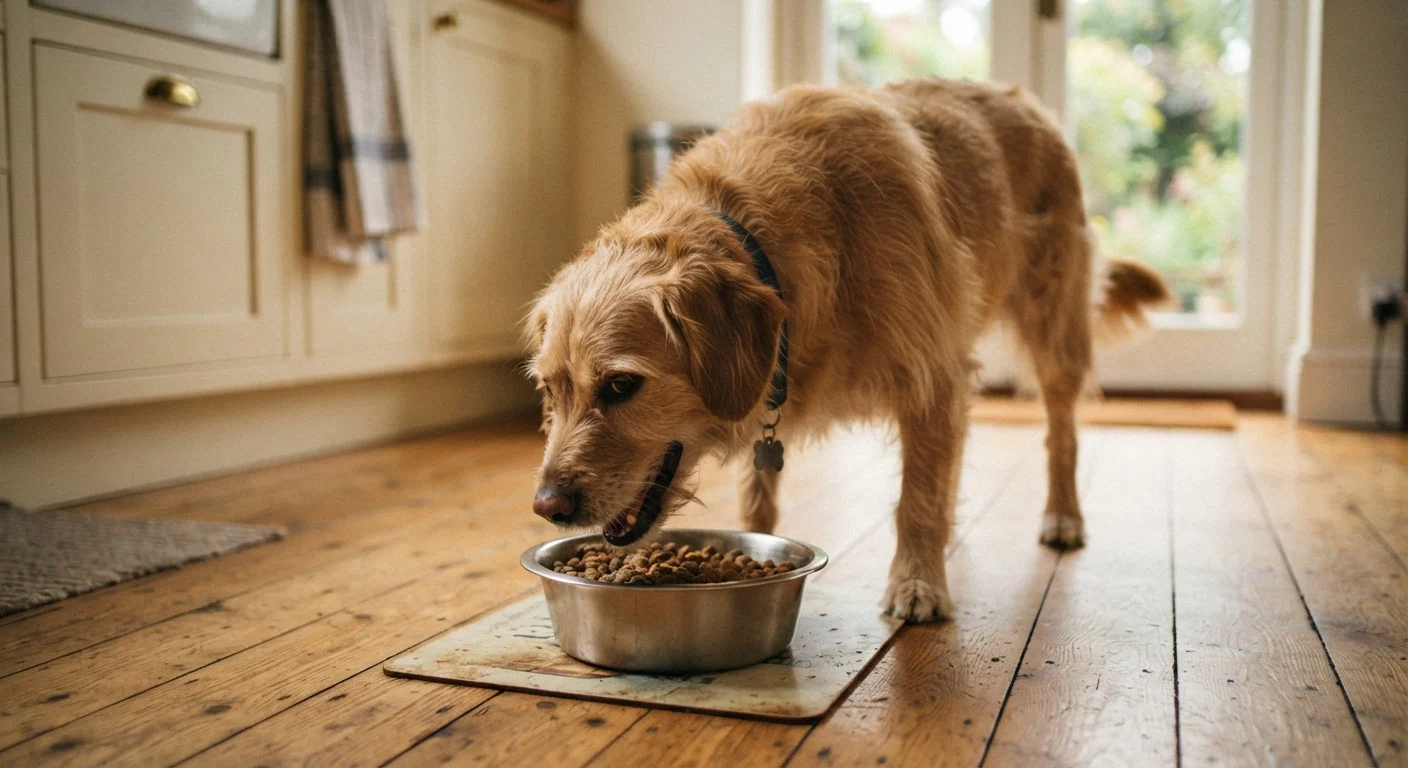
Why Nutritional Quality and Budget Can Coexist
The idea that affordable dog food is automatically poor dog food is one of the most persistent myths in pet ownership. In reality, price reflects many things - marketing, packaging, ingredient sourcing geography, and brand positioning - not nutrition alone. A food can carry a premium price tag and still fall short nutritionally, while a modestly priced option may meet every standard your dog needs.
The key is learning to evaluate food on its actual merits rather than its cost. That means reading labels critically and understanding what regulatory markers signal genuine nutritional completeness. Our guide to reading a pet food label walks through every section of a label in plain language - a worthwhile read before you start comparing options.
For a broader look at how food decisions fit into overall pet ownership costs, see our overview of pet care on a budget.
Homemade Food Is an Option - With Caveats
Some owners explore home-cooked meals as a cost strategy, but formulating a nutritionally complete diet at home is more complex than it appears. Our article on homemade vs. commercial pet food outlines the trade-offs honestly. If you're considering this route, work with a board-certified veterinary nutritionist to ensure the diet meets all of your dog's needs.
What to Look For Before You Look at the Price
Before comparing costs between two foods, confirm that both clear the nutritional baseline. Look for an AAFCO nutritional adequacy statement - this indicates the food meets the nutrient profiles established by the Association of American Feed Control Officials for a specific life stage (puppy, adult, or all life stages). Without this statement, no amount of cost savings justifies the trade-off.
Next, note the protein source listed first in the ingredient list. A named meat (chicken, beef, salmon) appearing early is a good sign, though ingredient lists alone don't tell the whole story - guaranteed analysis percentages give a clearer picture of actual nutrient content. Also be aware that grain-free formulas often carry a price premium without a proven nutritional advantage for most dogs; grain-inclusive options are frequently more cost-effective and nutritionally comparable. The common myths about saving on pet care article addresses this misconception directly.
If your dog has a specific breed size or activity level, their nutritional requirements may differ from a standard adult maintenance formula. Nutritional differences between dog breeds covers what the science actually supports here.
Don't Use Price Drops as the Sole Switching Trigger
Switching your dog's food purely because a different product is on sale - without checking its nutritional credentials - can introduce gaps in their diet or digestive disruption. Evaluate any new food against the same checklist before making a change, regardless of the price difference.
Step-by-Step: Feeding Well for Less
The following steps help you build a feeding routine that keeps costs manageable without compromising your dog's health. Work through them in order - each one builds on the last.
Verify the AAFCO Statement on Any Food You Consider
Find the nutritional adequacy statement on the bag - usually near the guaranteed analysis panel. Confirm it covers your dog's current life stage. A food labeled only for "intermittent or supplemental feeding" is not a complete diet and should not be used as a primary food source.
Calculate Your Dog's Correct Daily Portion
Overfeeding is one of the most common - and costly - feeding mistakes. Use your dog's current body weight, not their ideal weight, and follow the feeding guidelines on the package as a starting point. Then ask your veterinarian to confirm or adjust that amount based on your dog's body condition score. Feeding even 10-15% more than needed adds up meaningfully over a month.
Choose the Right Bag Size for Your Household
Larger bags generally cost less per pound, but dry kibble begins to lose freshness and some nutrients after the bag is opened - typically within four to six weeks. If a large bag will outlast that window in your home, the cost savings are offset by waste and reduced palatability. Match bag size to your dog's actual monthly consumption.
Compare Cost Per Day, Not Cost Per Bag
Divide the bag price by the number of days it will last based on your dog's daily portion. This gives a true daily feeding cost that makes different bag sizes and food options directly comparable. A bag that appears cheaper on the shelf may cost more per day if the serving size is larger.
Explore Subscription or Auto-Ship Options Cautiously
Many retailers offer modest discounts for recurring shipments of the same food. This can be a genuine saving if you've already confirmed the food works well for your dog. Avoid committing to large quantities of a food your dog hasn't tried yet - digestive upsets or low palatability could leave you with an unusable supply. Our article on reducing recurring pet expenses covers this in more detail.
Transition Gradually When Switching Foods
If you identify a nutritionally sound, more cost-effective food, switch over seven to ten days by mixing increasing proportions of the new food with decreasing proportions of the old food. Abrupt changes commonly cause digestive upset, which may result in veterinary costs that offset any savings achieved.
This article is for general informational purposes only and does not constitute veterinary or dietary advice. Always consult a licensed veterinarian before making significant changes to your dog's diet, especially if your dog has a health condition or is at a life stage with specific nutritional needs.