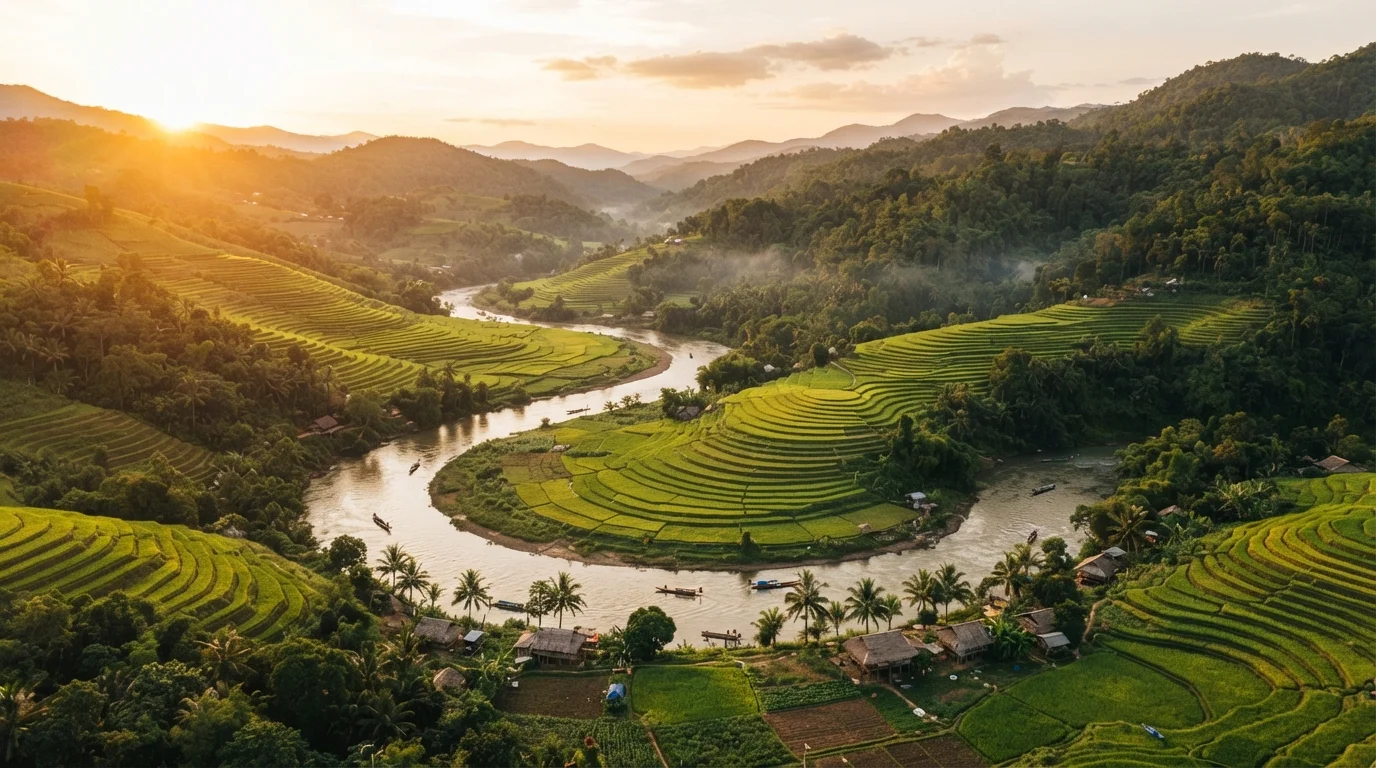
Why Southeast Asia Works for Budget Travelers
Southeast Asia has long attracted value-focused travelers for a concrete reason: the cost-of-living gap between the US and most of the region is substantial. A sit-down meal in Vietnam or Cambodia can cost less than a fast-food combo back home, while guesthouses and mid-range hotels regularly run at a fraction of US hotel rates.
But the region isn't uniformly inexpensive. Singapore sits at the high end of global city costs, and resort-heavy areas like Bali's Seminyak or Thailand's Koh Samui can feel surprisingly expensive once you factor in activities and dining. The value is real — but it's unevenly distributed, and first-timers who assume everything is cheap get caught off guard.
For a grounded comparison of how the region stacks up against other budget-travel destinations, see Southeast Asia vs. Central America. And before committing to any itinerary, review this pre-trip planning checklist to make sure you've confirmed entry requirements, health advisories, and current costs.
Realistic Daily Cost Benchmarks by Country
The following figures represent general ranges for a solo traveler staying in budget to mid-range accommodation, eating a mix of street food and sit-down meals, and using local transport. These are orientation benchmarks — not guarantees. Costs shift based on season, location within a country, and individual habits.
| Country | Budget Daily Range (USD) | Notes |
|---|---|---|
| Vietnam | $25–$45 | Strong value, especially in the north |
| Cambodia | $25–$40 | USD widely accepted |
| Thailand | $35–$65 | Islands push costs higher |
| Laos | $25–$40 | Fewer ATMs in rural areas |
| Indonesia (Bali) | $35–$70 | Resort areas significantly pricier |
| Malaysia | $40–$70 | Kuala Lumpur is a regional transport hub |
| Singapore | $100–$180+ | One of the world's most expensive cities |
Activities — tours, entrance fees, diving — add meaningful cost and are frequently underestimated in pre-trip planning. Budget a separate daily activity line rather than folding it into your accommodation and food estimate.
Visas, Entry Requirements, and What to Verify
Visa rules for US passport holders in Southeast Asia vary by country and change periodically. As a general orientation: Thailand, Malaysia, and several others offer visa-free entry for short stays; Vietnam requires an e-visa (available online in advance); Cambodia offers both e-visa and visa-on-arrival options; and Indonesia has its own entry rules for Bali arrivals that have shifted in recent years.
Visa Information Goes Stale Quickly
Entry requirements for Southeast Asian countries change more frequently than most travelers expect. A blog post from even 12–18 months ago may describe rules that no longer apply. Always check the official embassy website of each country you plan to visit, and cross-reference with the US State Department's travel information pages. Boarding denied due to incorrect visa assumptions is a costly and avoidable mistake.
Never rely on travel blogs or forum posts for current visa requirements — go to the official embassy website for each country you plan to visit, or check the US State Department's country information pages. Requirements change, and an outdated source can lead to denied boarding or entry refusal at the border.
Also verify: passport validity requirements (most countries require 6 months beyond your entry date), any proof-of-onward-travel rules, and whether your planned border crossing is open to foreign nationals. Land crossings between some countries have restricted hours or are not authorized entry points for all nationalities.
Getting Around: Transport Options and Costs
Movement within Southeast Asia is generally affordable, but the cost and comfort range is wide. Budget airlines — particularly those operating regional routes — connect major cities at prices that often undercut long-distance buses once you account for travel time. Book 3–6 weeks out for the most competitive fares on popular routes.
Overland travel by bus or train is viable and often scenic. The overnight sleeper train from Bangkok to Chiang Mai, for example, saves a night's accommodation cost while covering distance — a classic budget traveler move. Overnight buses operate on many cross-border routes but vary significantly in comfort and reliability by operator.
Within cities, ride-hailing apps (Grab dominates much of the region) offer transparent pricing in local currency and eliminate haggling. Renting a motorbike is common in some countries but carries meaningful safety risk — road conditions, driving standards, and insurance considerations differ substantially from the US. If you're not an experienced rider, this is worth evaluating carefully.
Overnight Travel Doubles as Accommodation
Booking overnight buses or trains on long routes lets you cover distance while you sleep, effectively replacing one night's accommodation cost. On popular routes like Bangkok to Chiang Mai or Ho Chi Minh City to Da Nang, this is a well-established budget strategy. Opt for sleeper trains when available — they're generally more comfortable and safer than overnight buses.
Money, Currency, and Avoiding Common Fees
Each country uses its own currency, and Southeast Asia is not a card-everywhere region. Cash remains essential in markets, smaller restaurants, rural areas, and some transport. Plan to use ATMs regularly, but be aware that many regional ATMs charge a per-withdrawal fee — often between $3–$6 USD equivalent — on top of whatever your US bank charges.
Using a checking account with ATM fee reimbursements and a credit card with no foreign transaction fees reduces avoidable costs meaningfully. Building a clear budget before you go helps you track how these small fees compound across a multi-week trip.
Dynamic currency conversion (DCC) — when an ATM or merchant offers to charge you in USD rather than local currency — almost always results in a worse exchange rate. Always choose to be charged in the local currency.
Cambodia uses USD as its de facto second currency; prices are often quoted in dollars, and change may be given in Cambodian riel. Vietnam, Thailand, and others operate strictly in local currency for most transactions.
Safety Basics and Health Considerations
Southeast Asia is not a monolithic safety environment. Tourist infrastructure is robust in many popular areas, but petty theft, transport scams, and counterfeit goods markets exist across the region. Standard precautions — using secured bags, not displaying expensive items, verifying taxi legitimacy — apply. Check the US State Department travel advisory for each specific country before and during your trip, as conditions vary and can change.
Health preparation is important and time-sensitive. Depending on your itinerary, vaccinations for Hepatitis A, Typhoid, and other conditions may be recommended. Some destinations carry malaria or dengue risk in certain areas. Consult a travel medicine clinic or your healthcare provider at least 4–6 weeks before departure — some vaccine courses require multiple doses over time.
Travel insurance that covers medical evacuation is worth serious consideration given the variable quality of medical facilities outside major cities. This is general information only; consult a licensed insurance professional or your healthcare provider to evaluate what coverage makes sense for your specific trip and health situation.
This article provides general travel information and education only. Visa requirements, health recommendations, and safety conditions change — always verify with official government sources and qualified professionals before traveling.