Choosing Projects That Actually Move the Needle
Not every improvement translates into a higher appraisal or a faster sale. Some upgrades appeal to personal taste but add little measurable value; others punch well above their cost. Before reaching for a tool, it helps to understand which category a project falls into. Our guide to DIY costs vs. returns breaks down the numbers in more detail.
The projects below share three traits: they're typically achievable over a weekend, they don't require licensed trades, and they address the areas-entry, kitchen, bathroom, exterior-that appraisers and buyers consistently notice. If you're new to DIY work, our practical starting point for first-time DIYers covers tools, safety basics, and how to set realistic expectations before you begin.
Paint Interior Walls in Neutral, Current Tones
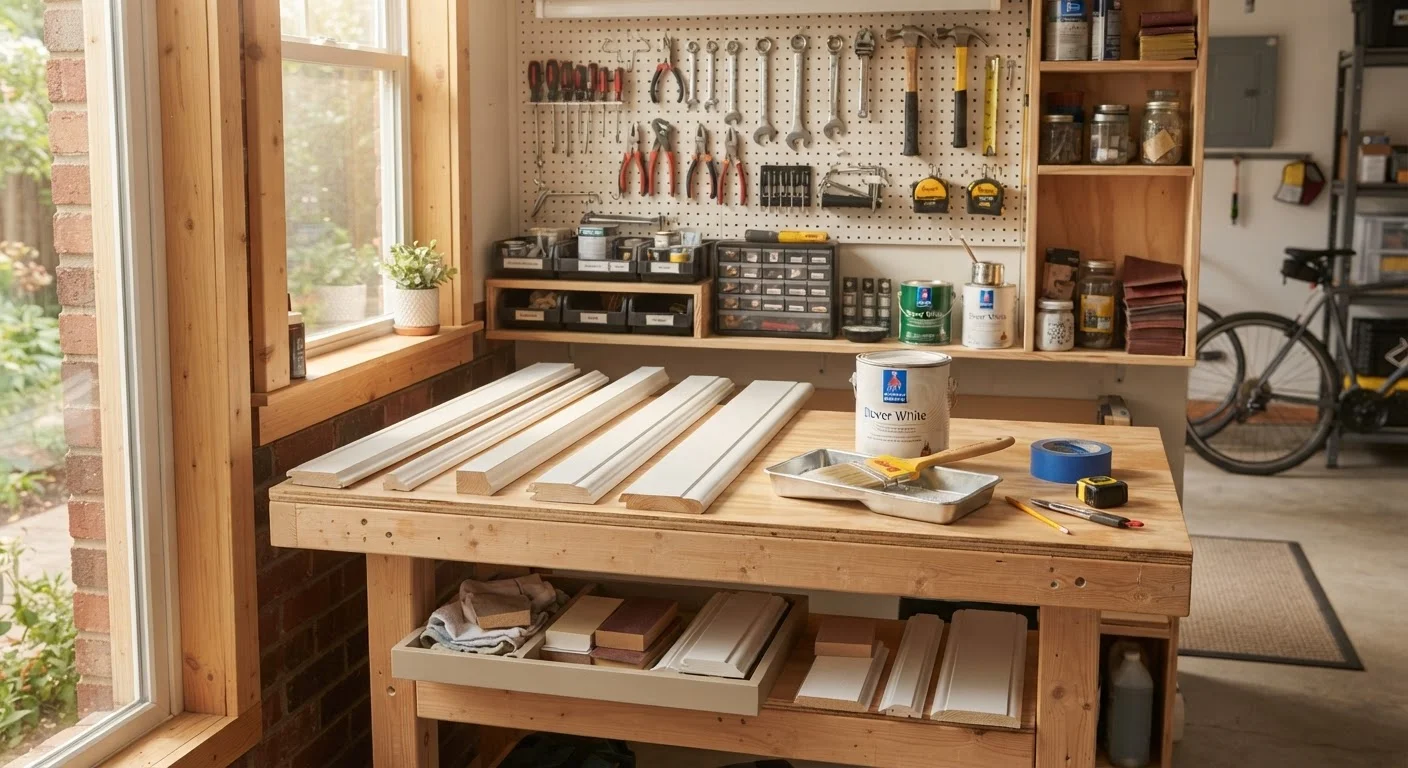
Fresh interior paint is consistently cited by real estate professionals as one of the highest-return cosmetic upgrades. Neutral tones-warm whites, soft greiges, muted sage-appeal to a wider audience and photograph better for listings. A single gallon of interior paint typically covers 350-400 square feet; a full room can often be completed in a Saturday with proper prep.
The prep work matters most: fill holes with spackle, sand lightly, wipe walls clean, and apply painter's tape to trim. Skipping prep leads to peeling and uneven coverage that undermines the finished look. Aim for two thin coats rather than one heavy one for best results.
Fresh neutral paint can be the single highest-return cosmetic upgrade a homeowner makes before selling.
Refresh Grout and Caulk in Kitchens and Bathrooms
Discolored grout and cracked caulk are among the first things a buyer or appraiser notices-and they signal neglect disproportionate to their actual cause. Re-grouting a tile backsplash or re-caulking a tub surround costs relatively little in materials and can be done in an afternoon.
Use a grout saw or oscillating tool to remove failing grout, then apply pre-mixed grout with a rubber float, working diagonally across joints. For caulk, remove the old bead completely with a utility knife and apply a smooth, unbroken line of mildew-resistant caulk. A bathroom refresh guide covers these and other no-demo updates in full detail.
Discolored grout signals neglect far out of proportion to how inexpensive and simple it is to fix.
Update Entry Door Hardware and Exterior Light Fixtures
First impressions form fast. A front door with mismatched, tarnished, or builder-grade hardware looks dated even on an otherwise well-maintained home. Swapping a lockset, deadbolt, and door handle for a coordinated set in brushed nickel, matte black, or oil-rubbed bronze takes under two hours and requires only a screwdriver.
Pairing new hardware with a matching exterior light fixture completes the look. Before replacing any fixture, shut off the circuit at the breaker and confirm power is off with a non-contact voltage tester. For fixtures involving new wiring, junction boxes, or panel work, hire a licensed electrician.
Coordinated door hardware and a matching exterior light fixture can transform a home's first impression for under $150.
Add or Refresh Mulch and Trim Overgrown Plantings
Landscaping condition is one of the first variables appraisers note for curb appeal, and a fresh layer of mulch-typically 2-3 inches deep-is among the most cost-effective exterior upgrades available. It suppresses weeds, retains soil moisture, and gives beds a clean, intentional look that photographs well.
Before mulching, edge bed borders cleanly and cut back any shrubs that are crowding pathways, blocking windows, or touching the foundation. Overgrown foundation plantings can also obscure signs of moisture damage or pest activity, so trimming back is both a cosmetic and practical step. See our curb appeal changes under $50 for additional low-cost exterior ideas.
Fresh mulch and trimmed plantings can elevate a home's exterior appearance as much as a coat of paint.
Install a New Kitchen Faucet
A dated or dripping kitchen faucet stands out in a showing and suggests deferred maintenance. Modern pull-down faucets are widely available at a range of price points and most can be swapped in under two hours using basic plumbing tools-an adjustable wrench, basin wrench, and bucket.
Turn off the supply valves under the sink before starting, then disconnect the supply lines and remove the old faucet mounting hardware. Install the new unit following the manufacturer's instructions, reconnect supply lines with fresh thread-seal tape, and check for leaks. If supply valves are corroded or difficult to turn, a licensed plumber should inspect them before you proceed.
Replacing a dated kitchen faucet is a two-hour project that signals careful upkeep throughout the home.
Seal and Clean Concrete Driveways and Walkways
Cracked, stained concrete at the entry is a curb appeal liability. While significant cracking may require a professional assessment, surface stains and minor surface wear can often be addressed with a pressure wash followed by a penetrating concrete sealer-a project manageable over one dry weekend day.
Start by degreasing oil stains with a concrete cleaner, then rinse thoroughly. Allow the surface to dry completely before applying sealer with a roller or pump sprayer in thin, even coats. Sealed concrete resists future staining and gives the driveway a clean, maintained appearance that reads well on approach.
A clean, sealed driveway signals attention to exterior maintenance from the moment someone pulls up.
Putting It All Together
The common thread across every project on this list is condition signaling-communicating to appraisers and potential buyers that a home has been consistently maintained. Fresh paint, clean grout, tight hardware, and tidy landscaping all say the same thing: this home has been cared for. That perception often carries more weight than a single flashy upgrade.
Before starting any project, verify whether local building codes or HOA rules apply, even for cosmetic work. Some exterior changes and certain interior modifications require permits or inspections. When in doubt, contact your local building department. And remember: projects touching gas lines, main electrical panels, load-bearing walls, or plumbing connections to the main supply line should always be handled by a licensed professional.
For more ways to stretch your home-improvement budget, explore our related content on low-cost curb appeal changes and refreshing a bathroom without a full renovation. For broader strategies on managing the financial side of home projects, the Smart Spending hub is a useful companion resource.
Prioritize Condition Over Complexity
Appraisers and buyers generally respond more to a home that feels well-maintained than to one with elaborate upgrades alongside obvious deferred upkeep. Before tackling aspirational projects, address visible defects: peeling paint, leaky faucets, stained grout, and overgrown landscaping. Fixing what's broken or worn tends to return more than adding what's new.