What Are Fixed Expenses?
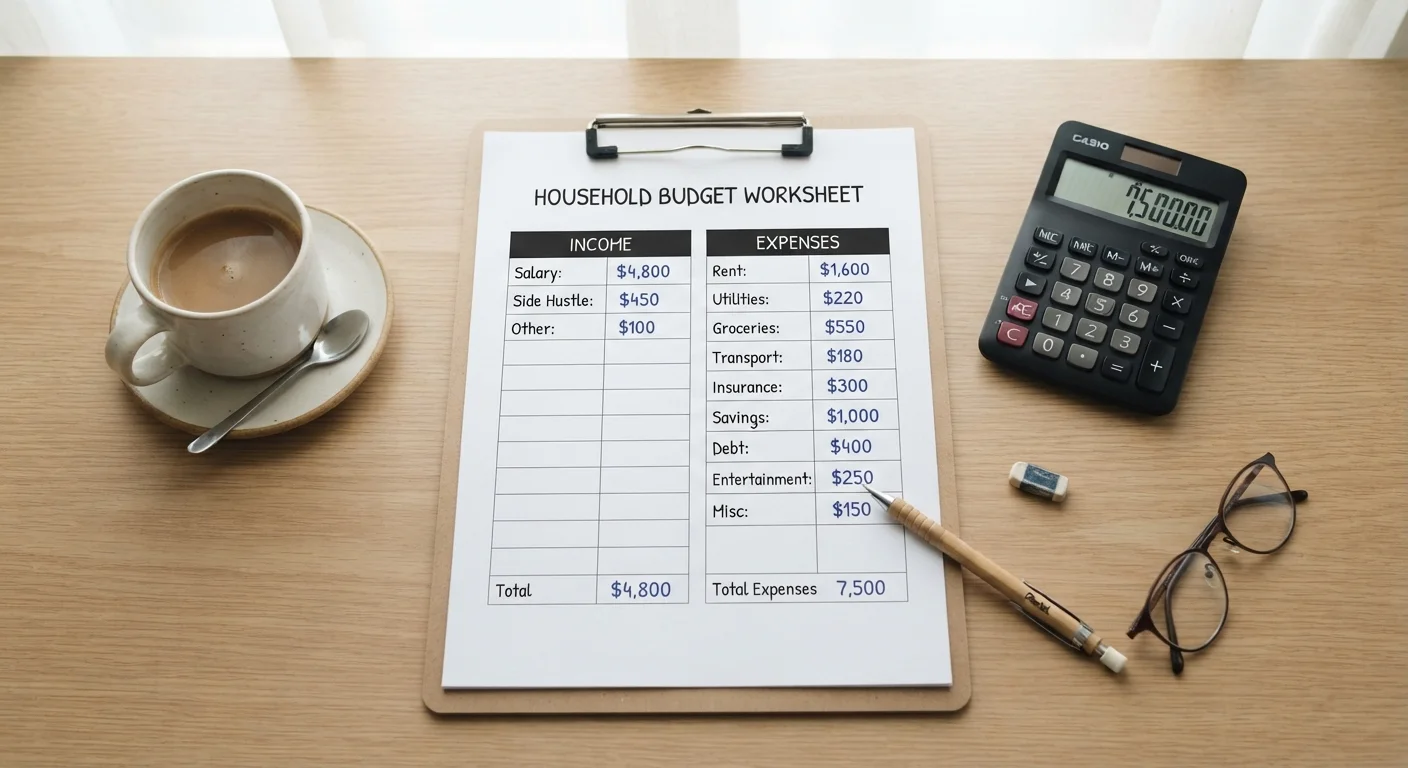
A fixed expense is any cost that remains the same amount from month to month, regardless of how much you use a service or product. Rent or mortgage payments, car loan installments, insurance premiums, and subscription services with a flat monthly fee are classic examples. Because the dollar amount doesn't change, these costs are easy to plan around - you know exactly what's coming out of your account.
The defining trait of a fixed expense isn't just predictability; it's that you typically have limited short-term control over it. You've agreed to a lease, signed an insurance contract, or taken on a loan. Breaking that commitment usually involves penalties or significant disruption, which is why fixed expenses are treated as obligations rather than choices in most budgets.
That said, fixed expenses aren't permanent. They can be renegotiated at renewal, refinanced, or eliminated when a contract ends. The key is planning around them as constants now, while keeping them under review over time. See our budgeting glossary for a plain-language breakdown of related terms like sinking funds and discretionary income.
What Are Variable Expenses?
A variable expense is any cost that changes from month to month based on your choices or consumption. Groceries, gas, dining out, clothing, entertainment, and utility bills all fit this category. Unlike fixed expenses, you have meaningful influence over these amounts - spend more, and the number rises; cut back, and it falls.
Variable expenses tend to be where most people's budgets unravel, not because these costs are inherently bad, but because they're easy to underestimate. A casual dinner here, a streaming add-on there - individually small, collectively significant. Tracking variable spending even loosely for a single month often reveals patterns that surprise people.
It's worth noting that some expenses straddle the line. Utilities, for example, arrive on a fixed billing schedule but vary in amount based on usage. Personal finance professionals sometimes call these semi-variable expenses - predictable in timing but not in cost. For budgeting purposes, averaging the past three to six months of a semi-variable bill gives a workable planning figure. Freelancers and gig workers especially need to account for this variability carefully.
Side-by-Side: How They Compare
Seeing fixed and variable expenses side by side clarifies why distinguishing between them matters so much for day-to-day planning.
| Criterion | Fixed Expenses | Variable Expenses |
|---|---|---|
| Amount each month | Stays the same | Changes based on usage or choices |
| Examples | Rent, car loan, insurance premium | Groceries, gas, dining out, utilities |
| Short-term control | Low - contractually set | High - adjustable month to month |
| Budgeting role | Establishes your minimum monthly floor | Primary lever for saving or cutting |
| Risk during income drop | Higher - payment still due in full | Lower - can reduce spending quickly |
| Forecasting difficulty | Easy - exact amount known in advance | Moderate - requires tracking and averaging |
One practical implication of this comparison: when your income drops unexpectedly, fixed expenses keep demanding the same amount. That's why financial educators generally recommend keeping fixed costs to a manageable share of take-home pay - one widely cited guideline is the 50/30/20 framework, though any target should reflect your personal circumstances. Learn more about how different systems handle this in our comparison of budgeting methods.
How to Use Both Categories in Your Budget
The most straightforward approach is to list every fixed expense first, total them, and subtract that sum from your monthly take-home income. What remains is available for variable expenses, savings, and debt repayment - in whatever priority order fits your goals.
~33%
Average share of income spent on housing
The U.S. Bureau of Labor Statistics Consumer Expenditure Survey consistently finds housing - a predominantly fixed cost - consumes roughly a third of average American household spending.
$1,500+
Typical monthly variable spending per household
Federal Reserve research on household finances suggests food, transportation fuel, and personal care combined represent a substantial and controllable portion of monthly outflows for most families.
From there, review your variable expenses by category using actual bank or credit card statements. Group them (food, transportation, entertainment, personal care) and compare what you spent to what you'd like to spend. This gap analysis is where actionable change lives.
If you're starting from scratch, building your first budget walks through the full process of tracking income, categorizing expenses, and setting savings targets step by step. And if you're weighing which budgeting system to use once your expenses are mapped, zero-based budgeting vs. the envelope method covers two popular options in detail.
Semi-Variable Costs: A Practical Middle Ground
Some expenses - like electricity, water, and phone bills - arrive on a predictable schedule but vary in dollar amount each cycle. Rather than treating them as fully fixed or fully variable, budget using a rolling average of the past three to six months. This approach gives you a realistic planning figure without underestimating the bill in high-usage months.
This article provides general financial education and is not personalized financial advice. Consider consulting a licensed financial professional for guidance specific to your situation.