Why 'Used Is Cheaper' Isn't Always True
The default assumption that a used car is automatically the smarter financial move is worth examining more carefully. Purchase price is only one dimension of vehicle cost. Financing terms, reliability track record, maintenance history, and current used-market pricing all affect whether that lower sticker price translates into actual savings. The case for buying used is real in many situations — but it has limits that buyers frequently overlook.
Understanding when used doesn't pencil out is just as valuable as knowing when it does. The mistakes below are among the most common ways buyers discover, after the fact, that the used route cost them more than expected.
Comparing only the sticker price, not the total cost of ownership.
Why it happens: Purchase price is the most visible number, so buyers anchor to it and underweight ongoing costs like higher interest rates on used loans, shorter or absent warranty coverage, and deferred maintenance.
Buying a used vehicle in a category where new prices are actively discounted or incentivized.
Why it happens: Buyers assume new always costs more, without accounting for manufacturer rebates, low-APR financing offers, or lease-return price normalization that can make new vehicles price-competitive.
Purchasing a used vehicle with a documented reliability problem or a history of costly recurring repairs.
Why it happens: Buyers may rely on brand reputation rather than model-year-specific reliability data, or overlook service records that show a pattern of repeat issues.
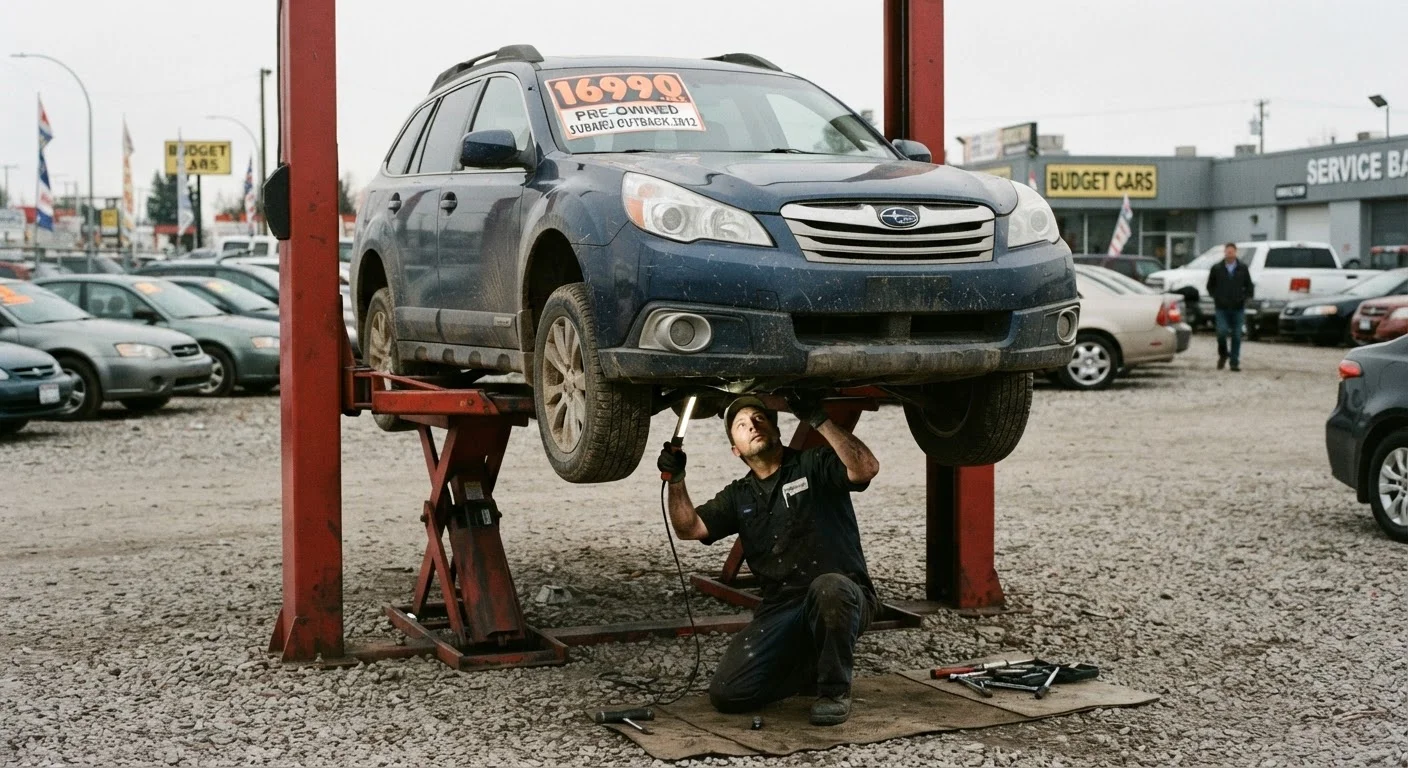
Skipping the pre-purchase inspection to save time or avoid seeming difficult.
Why it happens: Buyers feel social pressure in the transaction environment to move quickly, or assume a certified pre-owned label eliminates the need for independent review.
Buying at peak used-market pricing without accounting for accelerated depreciation risk.
Why it happens: Buyers see a used vehicle as inherently lower risk than a new one depreciating off the lot, without recognizing that used prices can also correct downward when supply normalizes.
Key Financial Scenarios Where Used Loses Its Edge
Certain market conditions and vehicle categories consistently erode the used-car value proposition. When used-car prices rise sharply — as they did in the early 2020s due to supply chain disruptions — the price gap between new and used narrows enough that new vehicles with full warranties and lower financing rates become genuinely competitive. Buyers who locked in a used vehicle at peak market prices often found themselves holding an asset that depreciated faster than anticipated once supply normalized.
2–4 pp
Typical used vs. new auto loan rate premium
Federal Reserve and lending industry data consistently show used-car loans carry materially higher interest rates than new-car loans, raising the effective cost of financing.
~20–30%
Used price premium during supply disruptions
During the 2021–2022 supply chain shortage, average used-car transaction prices rose sharply relative to historical norms, narrowing the cost advantage over new vehicles significantly.
Vehicle segment also matters. Entry-level trucks, popular crossovers, and late-model EVs with active manufacturer incentives are categories where comparing the total cost of ownership — not just the sticker — is essential before assuming the used option wins. For a fuller framework, the complete new vs. used decision framework walks through how to structure that comparison systematically.
CPO Status Is Not a Substitute for Independent Inspection
A certified pre-owned designation means a vehicle passed a manufacturer-defined checklist — it does not mean it is free of emerging mechanical issues or that the certification covers the same items an independent mechanic would flag. Before any significant used-vehicle purchase, an independent pre-purchase inspection remains the most reliable safeguard against unexpected repair costs after the sale.
Mileage context is another factor buyers routinely misjudge. High mileage doesn't always signal imminent failure, but the relationship between odometer reading and remaining component life varies significantly by vehicle make and maintenance history. The role mileage plays in long-term reliability and value deserves careful consideration, particularly for vehicles approaching or exceeding 100,000 miles where major service intervals — transmission service, timing belt or chain inspection, suspension components — are due.
It's also worth separating reliability myths from documented patterns. Not every older vehicle is a financial risk, and not every high-mileage car is ready to fail. The common myths about used car reliability are worth reviewing before ruling in — or out — any specific option based on assumptions rather than data.
This article provides general financial education about vehicle purchasing decisions and is not personalized financial advice. Consult a qualified financial professional for guidance specific to your situation.