Why These Myths Persist — and Why They're Costly
Misconceptions about budget travel don't just shape expectations — they shape decisions. Travelers who believe cheap trips mean dangerous hostels or miserable experiences may overspend unnecessarily. Others who assume any low-cost destination automatically delivers low total costs may find themselves shocked by the final bill.
Understanding what's actually true about affordable travel is a practical skill, not an abstract exercise. The myths below are among the most persistent — and the most financially consequential. For a broader look at planning-stage misconceptions, see our travel planning myths article.
Myth
Budget travel means staying in dirty, unsafe hostels with no privacy.
Fact
Affordable lodging now spans a wide spectrum, including well-reviewed guesthouses, apartment rentals, and smaller boutique hotels that cost far less than chain properties.
The hostel-or-nothing framing is outdated. The short-term rental market and the growth of independently run guesthouses have created genuine mid-range options in most destinations at price points that suit budget travelers. Many travelers find they can stay in a private room at a locally run guesthouse for roughly what a hostel dorm cost a decade ago in the same city. Comfort and cost are no longer as tightly linked as the stereotype suggests.
Myth
The cheapest destination is always the smartest financial choice.
Fact
A destination's base cost of living is only one factor — flight prices, visa fees, tipping norms, and activity costs can make a nominally cheap place more expensive overall.
A city with $10 hotel rooms may require a $900 round-trip flight and expensive tourist-zone meals. Meanwhile, a destination with $60 hotels might be reachable for $300 and offer far more included in daily costs. Total-trip math matters more than any single benchmark. Our article on hidden costs of cheap destinations breaks down exactly where these gaps tend to appear.
Myth
Traveling cheaply is inherently more dangerous.
Fact
Cost level and safety level are largely independent variables — both expensive and inexpensive destinations can be safe or risky depending on local conditions and individual behavior.
Safety correlates more strongly with specific neighborhoods, local political conditions, and traveler awareness than with overall trip budget. Many high-traffic budget destinations — parts of Southeast Asia, Eastern Europe, and Central America — have well-established traveler infrastructure and relatively low rates of tourist-targeted crime. Conversely, expensive destinations are not immune to petty theft or safety risks. Checking current government travel advisories is more reliable than using price as a safety proxy.
Myth
You have to book the very cheapest flight available to travel affordably.
Fact
Ultra-low-fare flights often carry fees, restrictions, and inconveniences that erode their savings, and routing inefficiency can consume vacation days.
A flight with three connections that saves $80 but costs six hours of travel time and $30 in checked bag fees may not represent genuine savings. Budget airline pricing is often designed to appear lower than the final cost at checkout. Evaluating total outlay — including bags, seat selection, and transfer time — gives a more accurate comparison. For more on how booking decisions affect the bottom line, see our budget shortfall guide.
Myth
Free experiences abroad aren't worth your time.
Fact
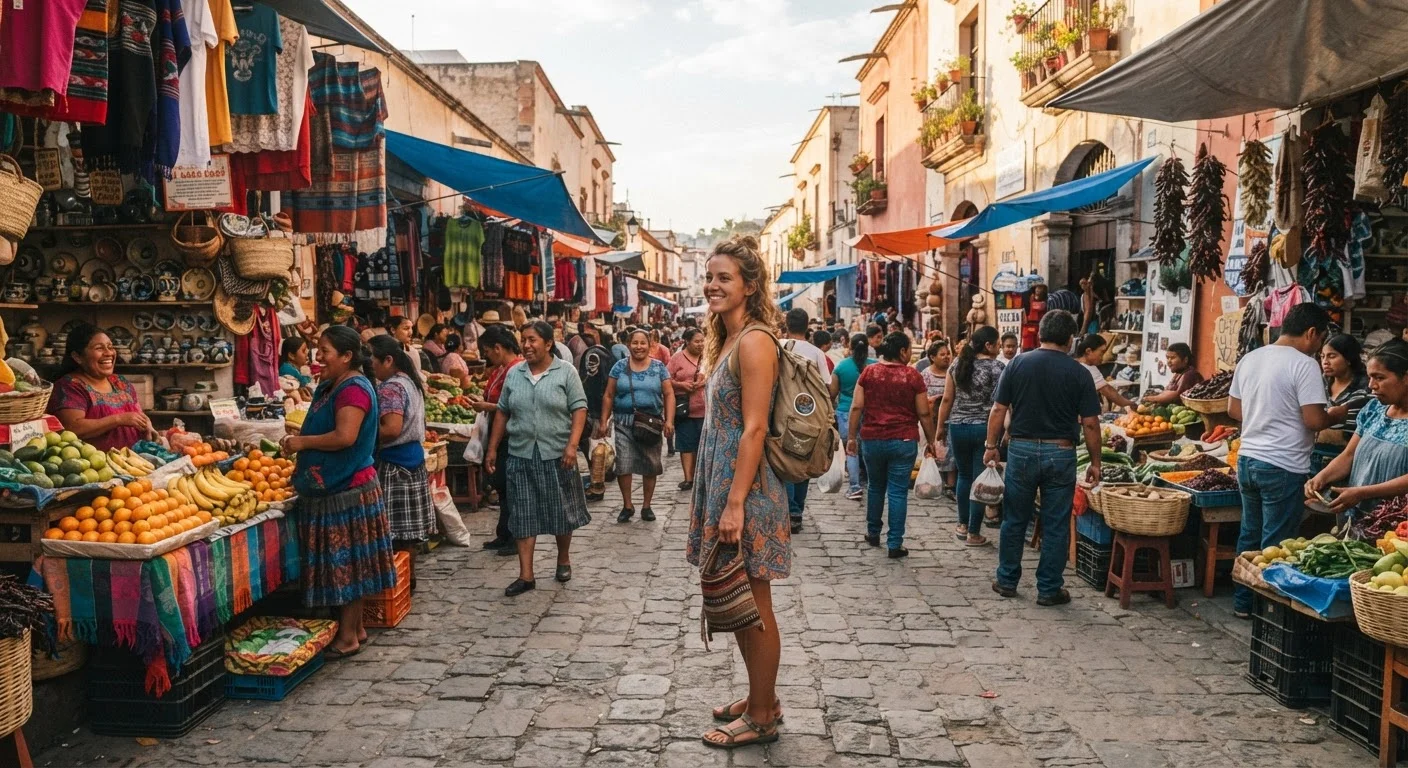
Many of the most culturally meaningful and memorable travel experiences — public markets, hiking trails, free museum days, local festivals — cost nothing or very little.
Paid tours and ticketed attractions are often convenient, but they're not the only pathway to substantive travel experiences. Public spaces, free walking routes, municipal museums on reduced-fee days, and community events offer genuine engagement with a destination's culture. Experienced travelers frequently report that unplanned, low-cost encounters — a local market, a neighborhood park, a street performance — rank among their most valued memories. For a practical rundown, see making the most of free experiences abroad.
What Affordable Travel Actually Looks Like in Practice
Once the myths are cleared away, a more useful picture emerges: budget travel is primarily about allocation, not deprivation. Experienced value-conscious travelers tend to spend more deliberately on what they care about — a well-located guesthouse, a cooking class, a reliable intercity train — and cut costs in areas that don't affect enjoyment, like branded coffee or hotel mini-bars.
~40%
Of trip cost often attributed to flights alone
Industry travel spending analyses commonly show airfare consuming 35–45% of a traveler's total trip budget, making routing and timing decisions disproportionately impactful.
15–25%
Typical savings during shoulder season vs. peak
Travel researchers and booking platforms have consistently found that shoulder season travel — the weeks just outside peak periods — yields meaningful reductions in accommodation and flight costs without major experience trade-offs.
Destination selection matters, but it's only one lever. Two travelers visiting the same country can have dramatically different costs depending on their habits. For a structured look at daily spending patterns, the complete guide to affordable travel covers the full range of cost variables.
It's also worth noting that "affordable" is context-dependent. A destination that's inexpensive for a US traveler might not be for someone earning a local wage — that asymmetry is worth keeping in mind when evaluating your own footprint abroad.
For travelers curious about specific regions, Eastern Europe's cost profile and Southeast Asia's logistics and costs are worth exploring before you commit to an itinerary. And don't overlook shoulder season timing, which consistently offers a better value-to-experience ratio than either peak or deep off-season windows.
This article is for general informational purposes only. Travel conditions, prices, and safety situations change — always verify current requirements and conditions through official government and provider sources before traveling.