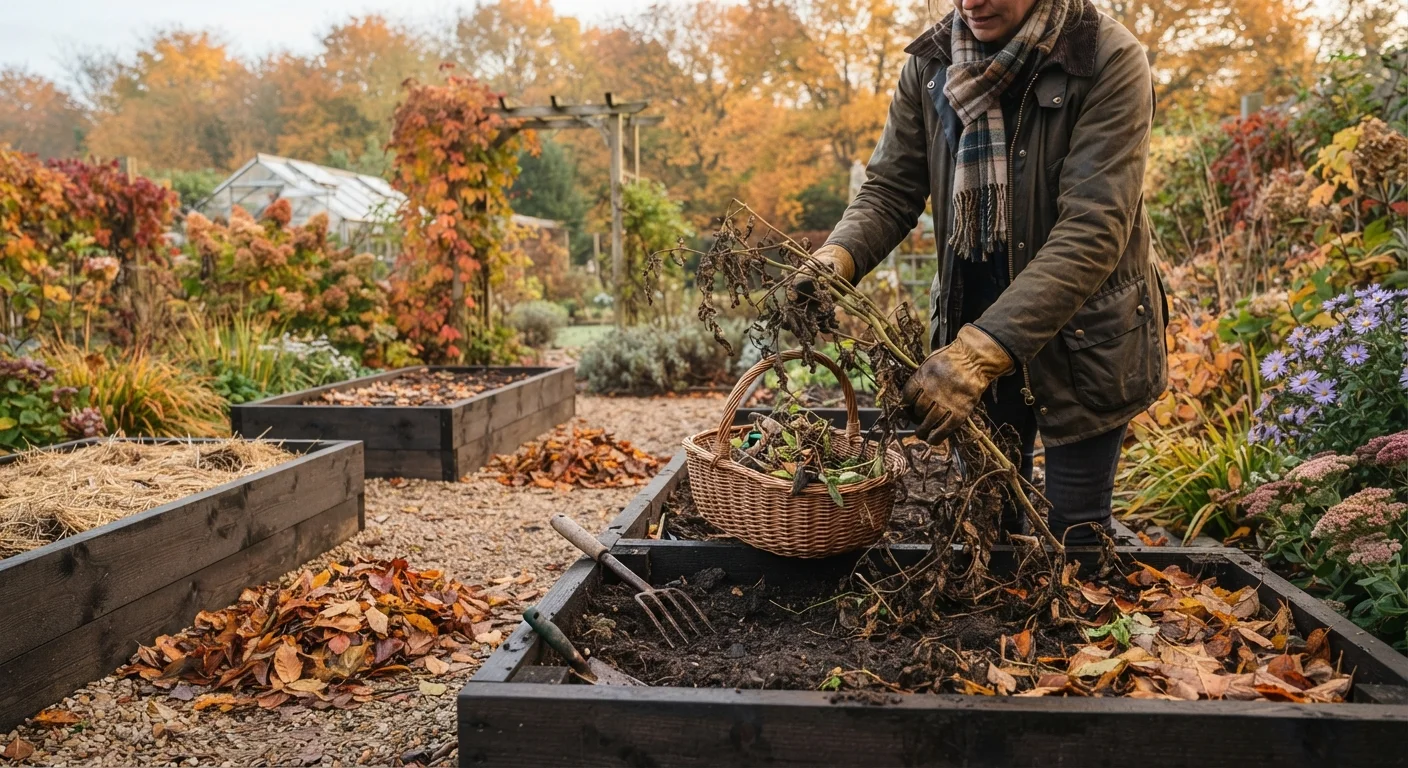
Why Fall Cleanup Pays Off in Spring
Fall garden cleanup is one of the highest-return tasks a gardener can do - not because it makes the yard look neat right now, but because it directly shapes what happens underground during winter and what emerges in spring. Clearing debris, amending soil, and protecting roots while temperatures are still workable costs far less time and money than fighting pest pressure, compaction, and weak plant starts in April.
This checklist is designed for value-conscious gardeners who want to do the right work at the right time - without spending unnecessarily. Many of the most effective steps here are free or nearly free: composting kitchen scraps, using fallen leaves as mulch, dividing perennials to multiply your plant stock. If you're also planning ahead for next season's food garden, see our guide on starting a vegetable garden without breaking the bank for low-cost planning strategies that pair well with a strong fall foundation.
Work through this checklist in the weeks before your area's first expected frost date. If you're unsure of that date, your local cooperative extension office is a reliable, free resource.
Clear Beds and Remove Debris
Amend and Protect Soil
Manage Perennials and Bulbs
Harvest, Save, and Store
Lawn and Hardscape
Tool Care and Season Close-Out
Tools and Supplies You'll Want on Hand
You don't need specialized equipment to complete a thorough fall cleanup. The items below cover the core tasks. Borrow or share tools with neighbors where possible - it's one of the most effective ways to cut gardening costs.
Garden fork or spade
Loosens and turns soil for incorporating compost and amendments into beds.
Pruning shears
Cuts back perennial foliage and woody stems cleanly without tearing plant tissue.
Leaf rake
Gathers fallen leaves from beds and lawn for composting or shredding.
Garden gloves
Protects hands during debris removal and when handling soil amendments.
Compost bin or pile
Receives healthy plant waste to convert into free soil amendment for next season.
Lawn mower (with mulching blade)
Shreds dry fallen leaves into fine particles suitable for use as free garden mulch.
Bulb planting tool
Speeds up the planting of spring-flowering bulbs at the correct depth.
Honing stone or file
Restores a working edge to hoe blades and pruner blades before winter storage.
Soil Health: The Most Important Fall Investment
Soil improvement is the fall task with the longest payoff window. When you add organic matter now - compost, shredded leaves, aged manure - soil microbes continue working until the ground freezes, breaking down materials and building structure. By spring, that work is largely done for you.
Shredded autumn leaves are among the most underused free resources in home gardening. Run a mower over a pile of dry leaves to shred them quickly, then work them into beds or pile them onto bare soil as a light mulch layer. For a broader look at low-cost amendments, our article on free and cheap ways to improve garden soil this season covers kitchen scraps, leaf mold, and other no-cost options in detail.
Don't Compost Diseased Plant Material
Home compost piles typically don't reach temperatures high enough to kill fungal spores, bacterial pathogens, or some pest eggs. Composting diseased stems, leaves with powdery mildew, or tomato plants showing blight means spreading those problems back into your beds next spring. Bag diseased material and dispose of it with household waste instead.
Once soil amendments are worked in and beds are cleared, apply a 2-4 inch mulch layer over perennial root zones and bare beds. Timing matters: wait until the soil has cooled but before it freezes hard. Mulching too early can insulate warmth that encourages late-season pest activity. For depth guidance and material comparisons, our mulching field guide walks through the full process.
A Note on What Not to Clean Up
Thorough cleanup does not mean stripping every inch of the garden bare. Hollow plant stems, seed heads, and leaf litter at bed edges provide overwintering habitat for beneficial insects - including native bees that nest in pithy stems and ground-level debris. A practical middle ground: clear diseased material and annual crop waste completely, but leave ornamental grasses, coneflower seed heads, and the dried stalks of non-diseased perennials standing through winter. Cut them back in late winter or very early spring instead.
This approach costs nothing extra and supports the beneficial insect populations that will help pollinate and protect your garden next season.
Avoid Bare Soil Over Winter
Leaving garden beds completely bare through winter exposes soil to erosion, compaction from rain and snow, and weed seed colonization in early spring. Even a thin layer of shredded leaves or straw mulch protects soil structure and reduces the workload dramatically when planting season arrives. Covered soil is one of the simplest and cheapest investments you can make in fall.