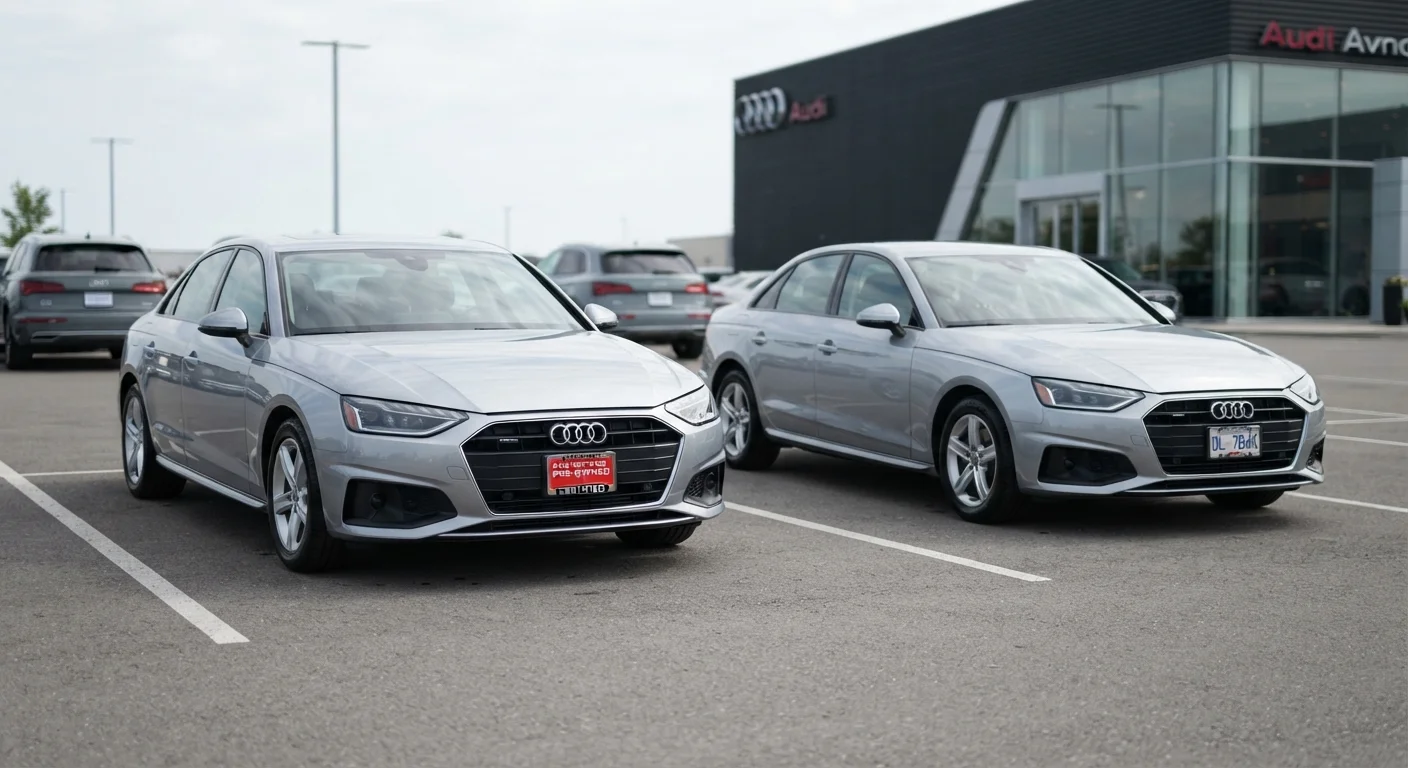
What CPO Actually Means - and What It Doesn't
The term Certified Pre-Owned is a specific designation created by vehicle manufacturers, not a generic quality claim. To carry a CPO label, a vehicle must meet eligibility criteria - typically a model-year cutoff (often within 5-6 years) and a mileage cap (commonly under 80,000 miles) - and pass a manufacturer-defined multi-point inspection conducted by a franchised dealer's technician. Vehicles that fail inspection points must have those issues corrected before certification is granted.
What CPO does not mean: that the vehicle has zero history of accidents, repairs, or high-stress use. It means a structured checklist was completed and documented. The inspection standards themselves vary by manufacturer - one brand's 150-point inspection may cover different systems than another's 167-point process. Before treating a CPO label as a blanket assurance, ask the dealer for the actual inspection checklist and any reconditioning work performed.
Because CPO programs are administered by manufacturers and can only be delivered through their franchised dealers, this is a fundamentally different product from what an independent lot or private seller can offer. Understanding that boundary is essential before comparing prices. For a plain-language breakdown of how used vehicle pricing terms work in context, see key car buying terminology you should know before entering any negotiation.
The Warranty and Coverage Gap
The single most meaningful practical difference between CPO and standard used is warranty coverage. Standard used vehicles sold as-is carry no manufacturer warranty (unless the original factory warranty is still active and transferable). Some dealers offer limited lot warranties, but these are typically short in duration and narrow in scope.
CPO programs extend coverage in two common forms: a continuation of the original factory warranty, or an additional powertrain warranty that kicks in after the factory coverage expires. Some programs include roadside assistance, loaner vehicle provisions, or satellite radio trial periods. The catch: these benefits differ substantially across manufacturers and even between model years within the same brand.
| Criterion | Certified Pre-Owned | Standard Used |
|---|---|---|
| Inspection requirement | Mandatory manufacturer multi-point inspection | No standard requirement |
| Warranty coverage | Extended manufacturer warranty included | None (unless original warranty active) |
| Purchase price | Premium over standard used | Lower entry cost |
| Where available | Franchised dealerships only | Dealers, private sellers, independent lots |
| Negotiation flexibility | Limited - CPO price partly set by program | Higher - more variables to negotiate |
| Vehicle history documentation | Typically included with certification | Buyer must obtain independently |
| Eligibility restrictions | Age and mileage caps apply | No restrictions |
When evaluating whether CPO warranty coverage justifies its price premium, compare the specific terms - deductible amounts, covered components, whether coverage is bumper-to-bumper or powertrain-only - against the cost difference between a CPO and a comparable standard used model. If the CPO premium is $2,000 and the warranty deductible is $200 per visit with limited powertrain coverage, the math may not favor CPO for a vehicle with a strong reliability history. For a broader look at how these tradeoffs stack up against buying new, explore the CPO vs. new car pricing comparison.
Price, Negotiation, and Real-World Value
CPO vehicles command a price premium over standard used equivalents - typically ranging from a few hundred to several thousand dollars depending on the model, age, and market conditions. That premium reflects the inspection, reconditioning, and warranty administration costs the dealer incurs. Whether it represents genuine value depends on how likely you are to use the warranty and how much of that coverage overlaps with what a vehicle history report and independent pre-purchase inspection would reveal anyway.
Standard used vehicles offer more pricing flexibility. Private sellers carry no overhead; independent dealers operate with lower fixed costs than franchised lots. This creates more room for negotiation, particularly if you arrive with a vehicle history report (such as one from a provider using VIN-based data) and are prepared to walk away.
CPO Doesn't Replace a Pre-Purchase Inspection
Even with a CPO label, having an independent mechanic inspect the vehicle before purchase is a reasonable step. The dealer's inspection is conducted by their own technician using the manufacturer's checklist - an independent inspection gives you an unbiased second opinion on condition and any issues the checklist may not prioritize. This is especially useful for higher-mileage CPO vehicles approaching the top of the program's eligibility range.
One underappreciated dynamic: the CPO premium can erode faster than buyers expect. A CPO vehicle depreciates at the same rate as any used car once it leaves the lot - the certification doesn't slow that curve. For a fuller picture of how depreciation and total ownership costs compare across used and new purchases, see the real total cost of owning a new vs. used car.
Neither option eliminates risk entirely. A standard used vehicle bought with a clean history report and a mechanic's pre-purchase inspection can represent excellent value. A CPO vehicle with a narrow warranty and high deductible may deliver less protection than the label implies. The discipline of reading the fine print - on warranty terms, inspection scope, and reconditioning disclosures - applies equally to both paths.