Why Free Experiences Are Often the Best Ones
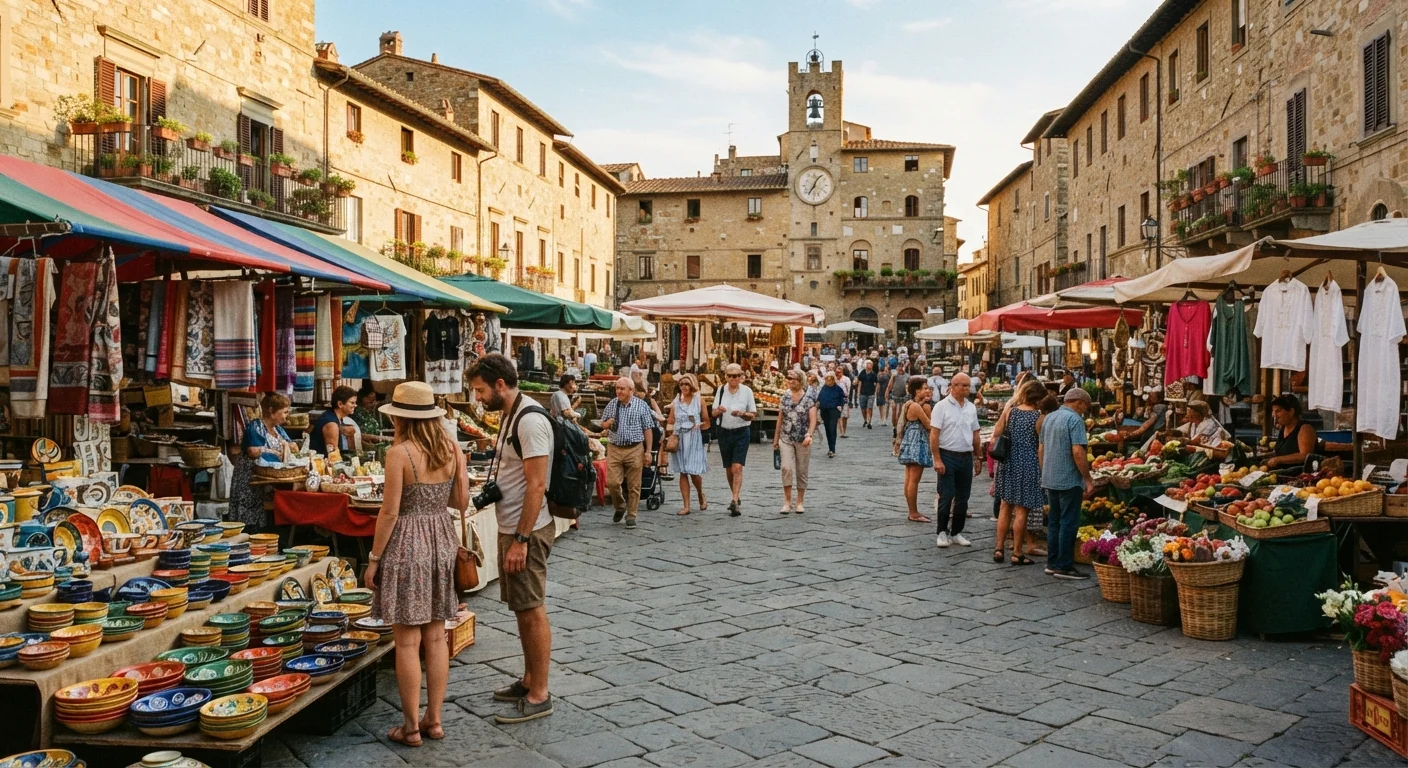
There's a persistent assumption in travel planning that quality scales with cost. It doesn't. Public beaches, hiking trails, historic city centers, local markets, and national festivals routinely rank among the most meaningful parts of any trip — and most of them charge nothing at the gate.
The practical case is equally strong. If you can fill two or three days of a week-long trip with genuinely free activities, your daily spending drops substantially, freeing up budget for the meals, accommodations, or paid experiences that actually matter to you. That's not roughing it — that's prioritizing. For a broader look at where travel budgets typically break down, see why travel budgets fall short.
“The best things in travel are often the things that happen between the ticketed attractions — the walk through a neighborhood, the market, the conversation. Those don't cost anything.”
— Rolf Potts, Travel writer and author of 'Vagabonding'
Proven Practices for Building a Low-Cost Itinerary
The following practices are drawn from how experienced, value-focused travelers consistently structure their days abroad. None require sacrifice — they require research and a shift in how you sequence your time.
Quick Actions You Can Take Before You Book
You don't need to be on the ground to start identifying free and low-cost options. Much of the legwork can be done at home, and doing it early changes the shape of your entire trip.
Pairing these habits with thoughtful destination selection compounds the savings further. If you're weighing regions, Eastern Europe's low daily costs make it an especially effective backdrop for free-experience travel, while exploring Mexico beyond resort zones opens up free colonial plazas, markets, and coastal access unavailable inside all-inclusive perimeters.
Avoiding the Traps That Undercut Free-Experience Strategies
Even well-planned low-cost itineraries can drift over budget. A few specific patterns account for most of the slippage.
Overloading paid attractions into the same days as free ones creates a false sense of balance — the expensive half still dominates the total. Instead, treat free-experience days as standalone anchors, not fillers between ticketed events. Also note that some destinations marketed as inexpensive have meaningful hidden costs that aren't visible at the planning stage; the hidden costs of cheap destinations covers this in detail.
Finally, remember that free doesn't mean unplanned. Arriving at a museum on a free-admission day without checking capacity limits, seasonal closures, or timed-entry requirements can waste a full afternoon. Verify specifics directly with official venue or tourism authority websites before you go, as policies change.
For US-based travelers, state parks and lesser-known federal lands offer some of the most consistent value anywhere — lower fees, shorter lines, and scenery that rivals the marquee parks. And if you're rethinking the pace of your trip entirely, slow travel strategies tend to make free-experience planning even more effective by giving you time to discover what locals actually do.